Ishan Institute of Pharmacy
Laboratories

Laboratories

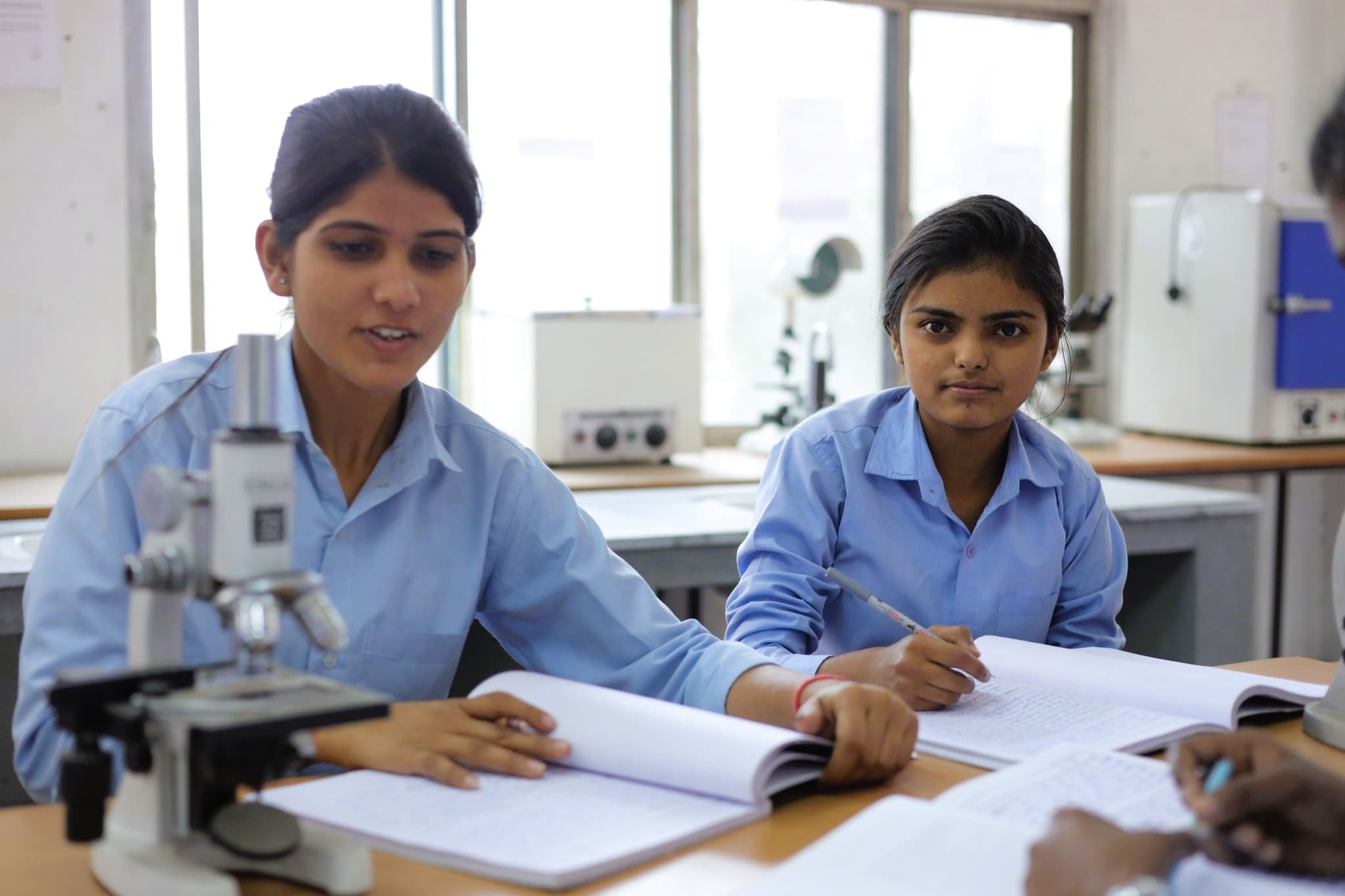
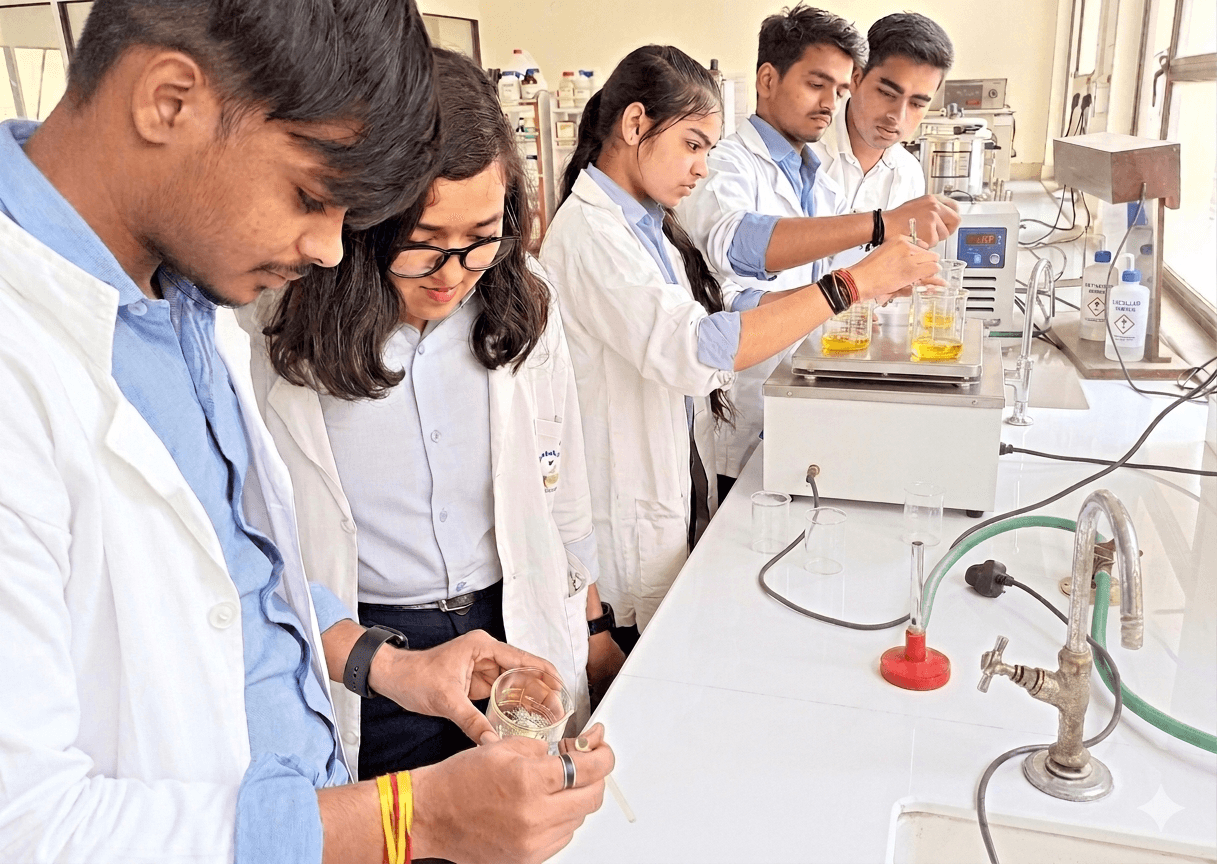
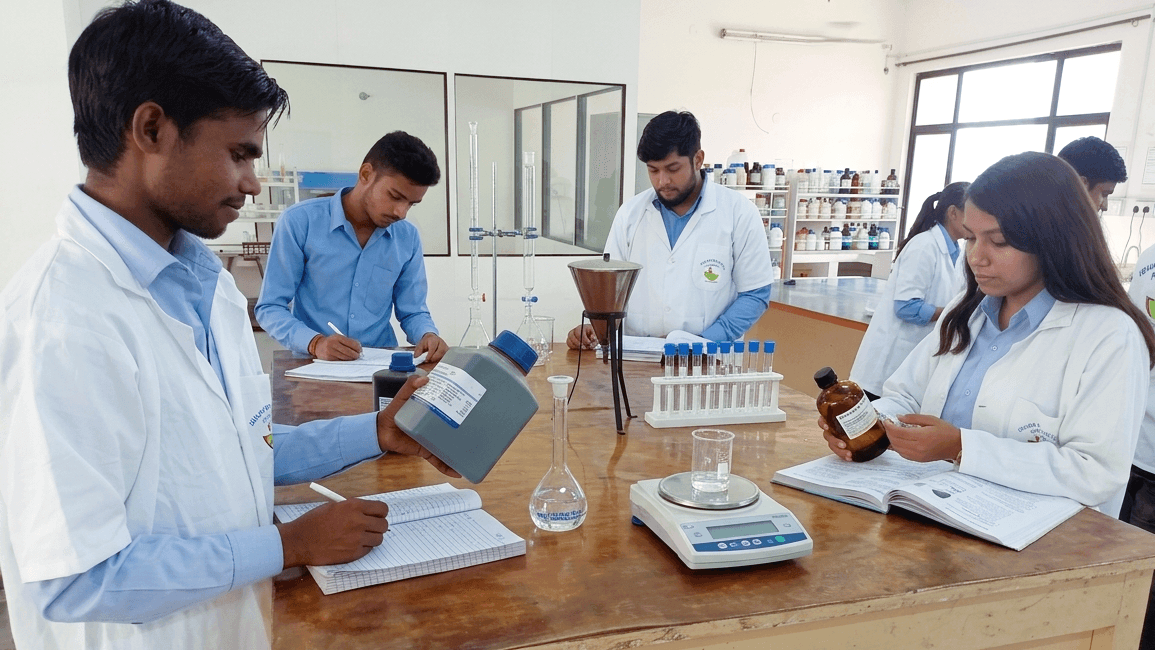
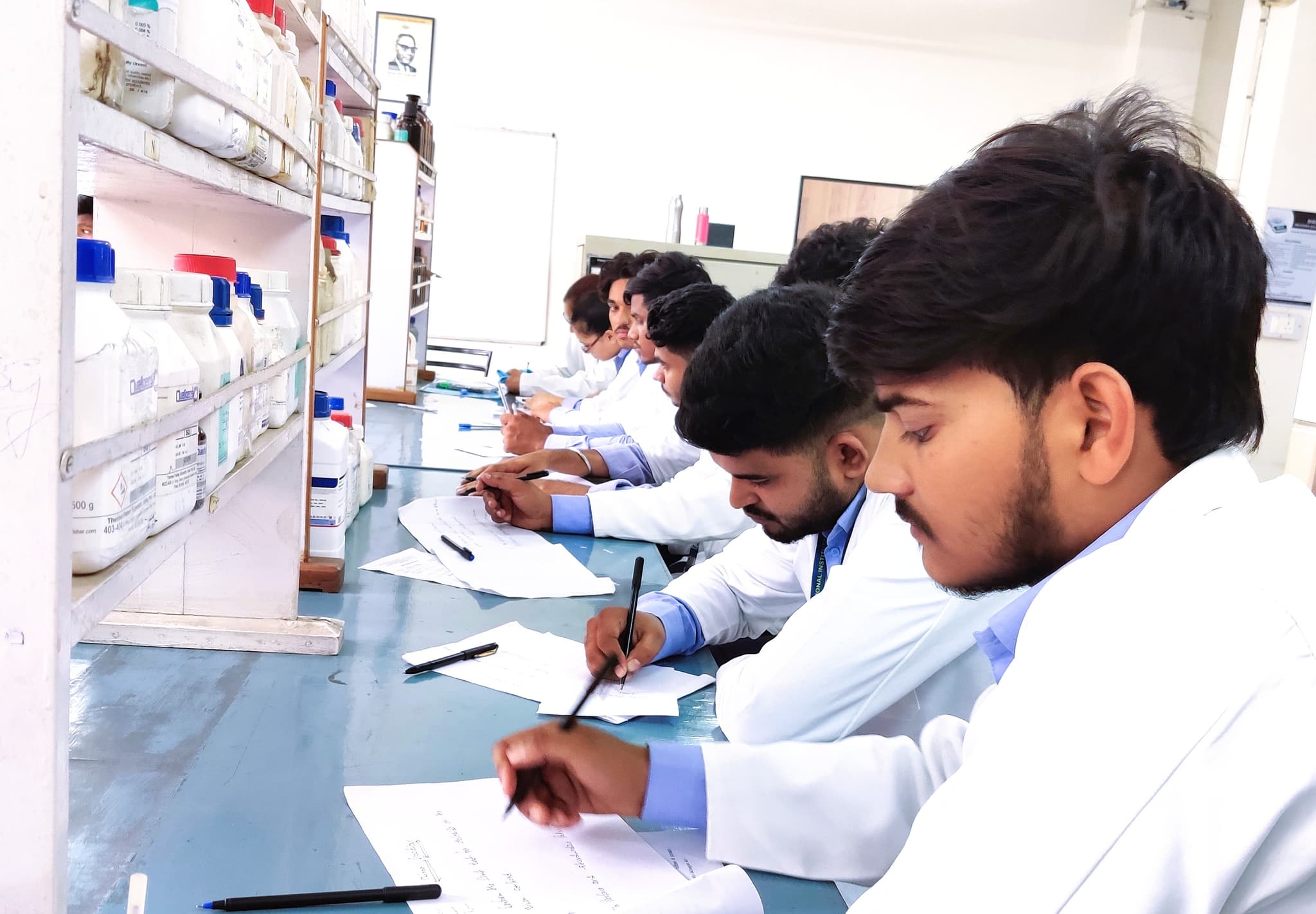
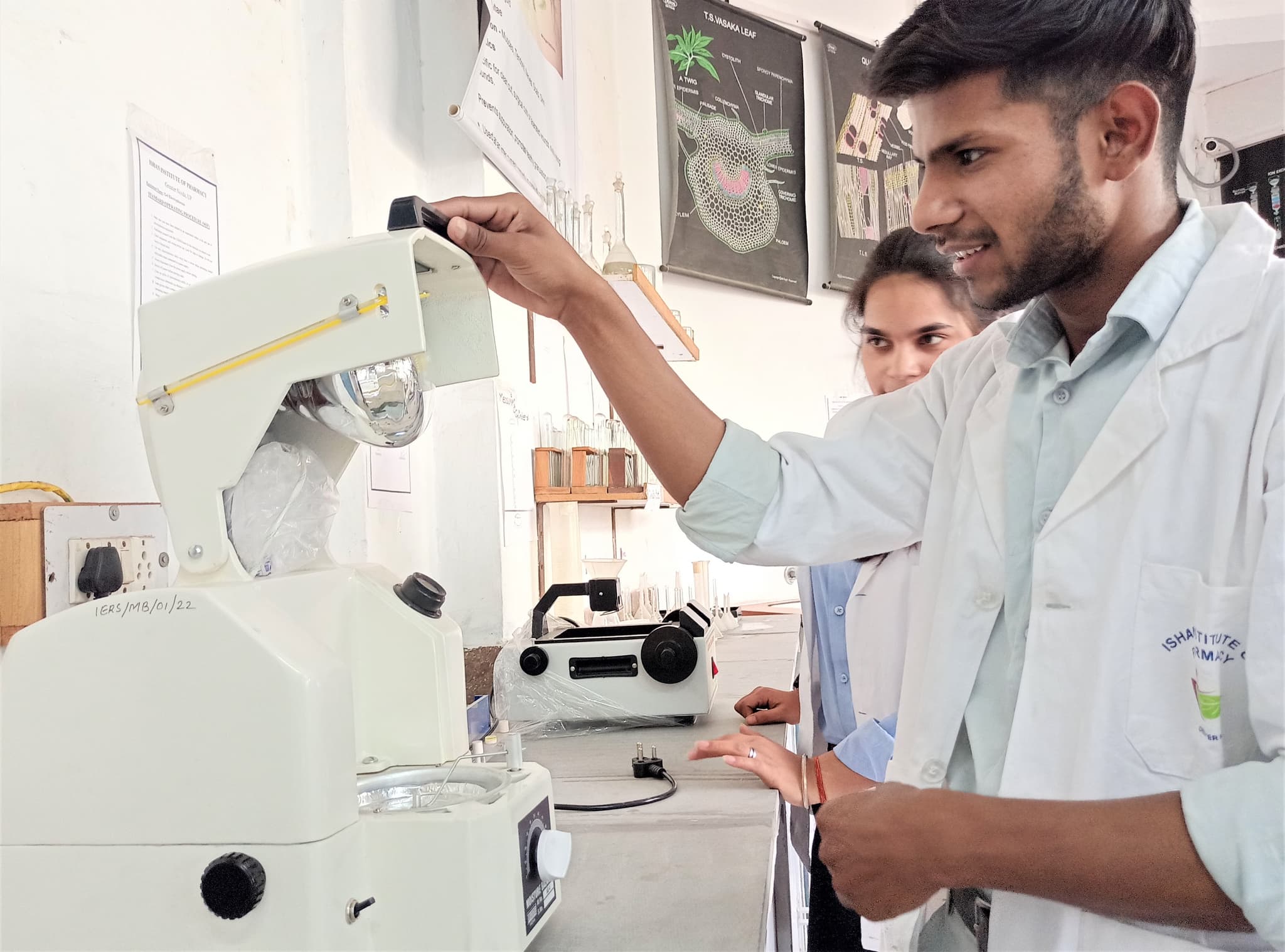
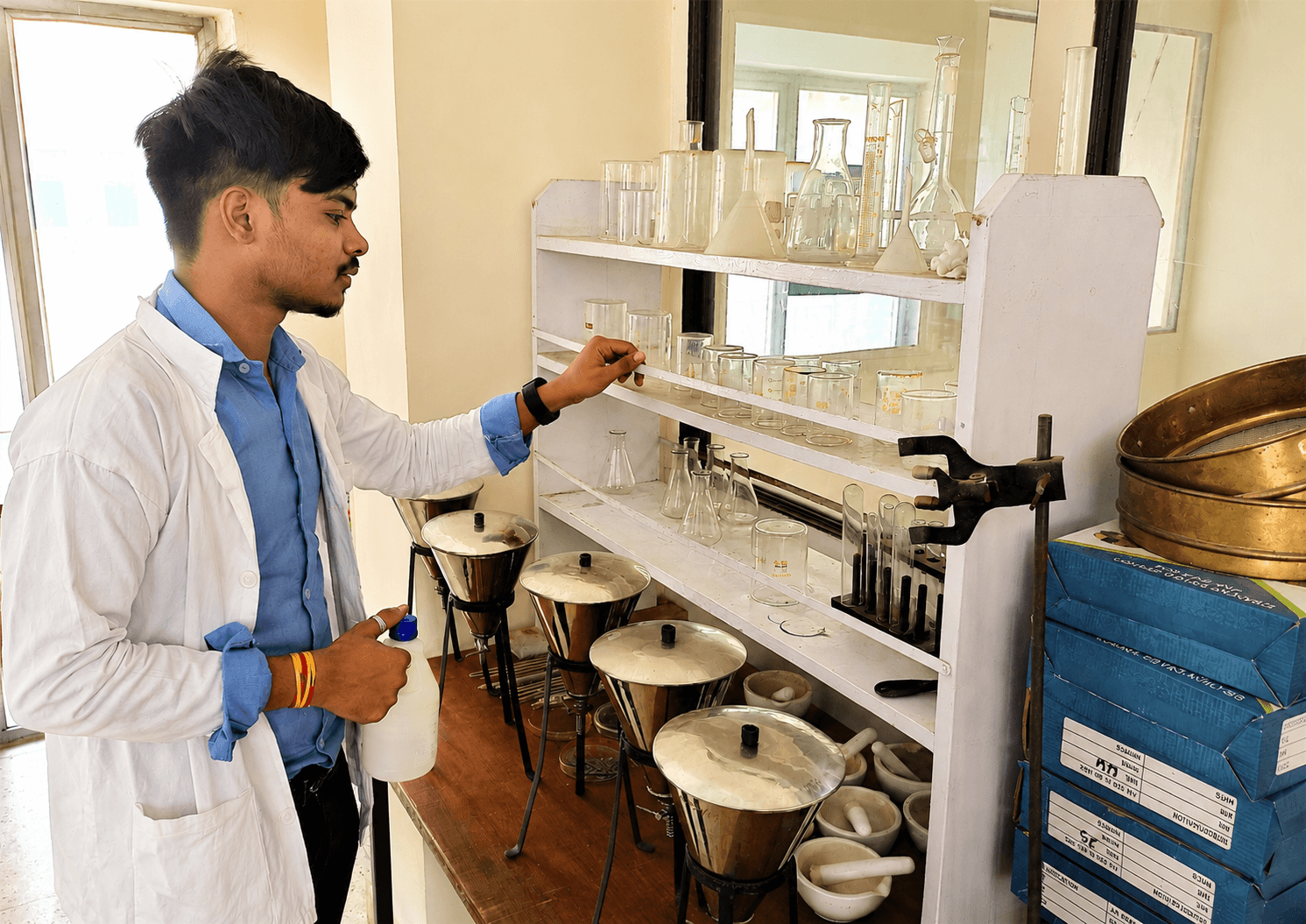
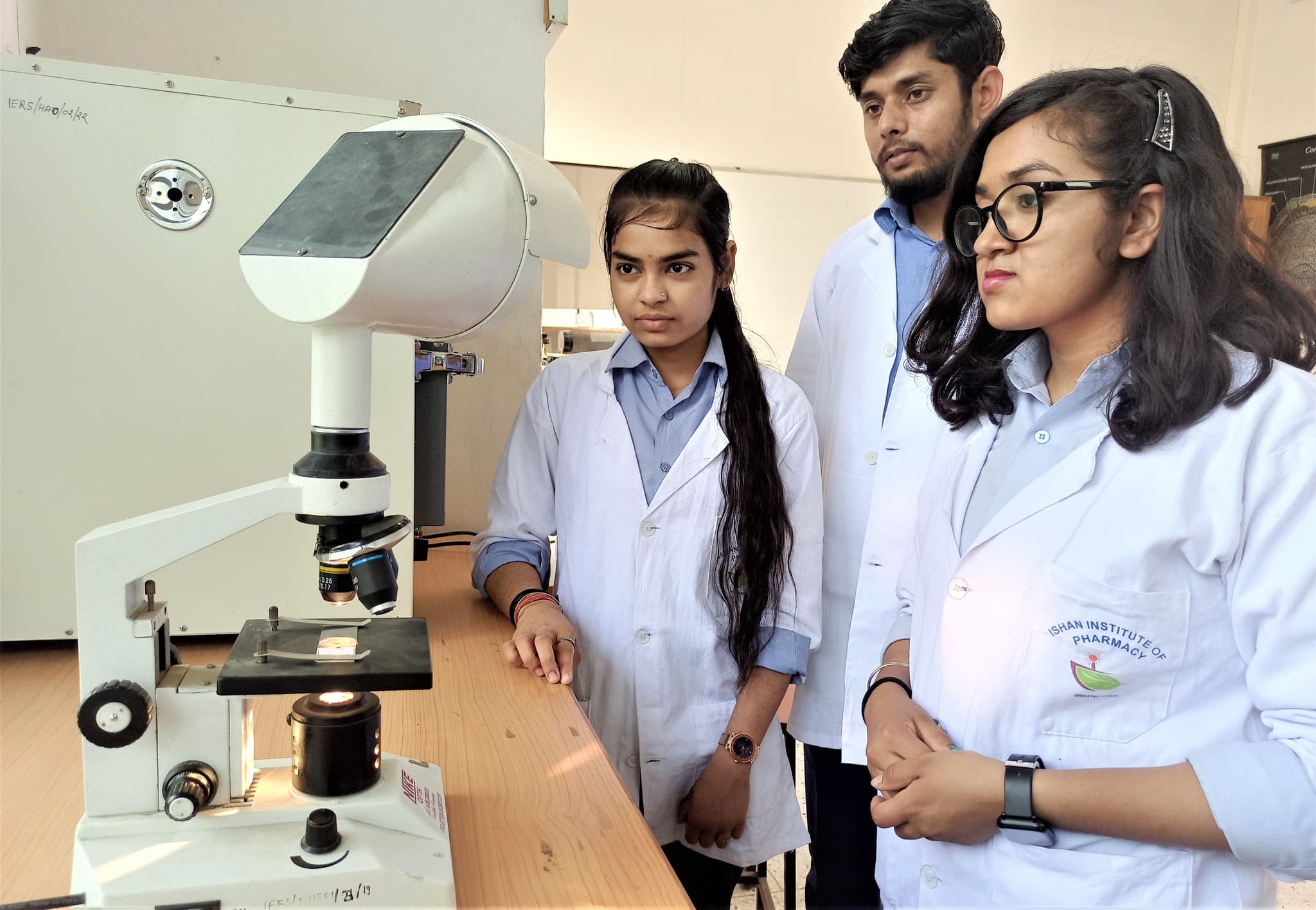
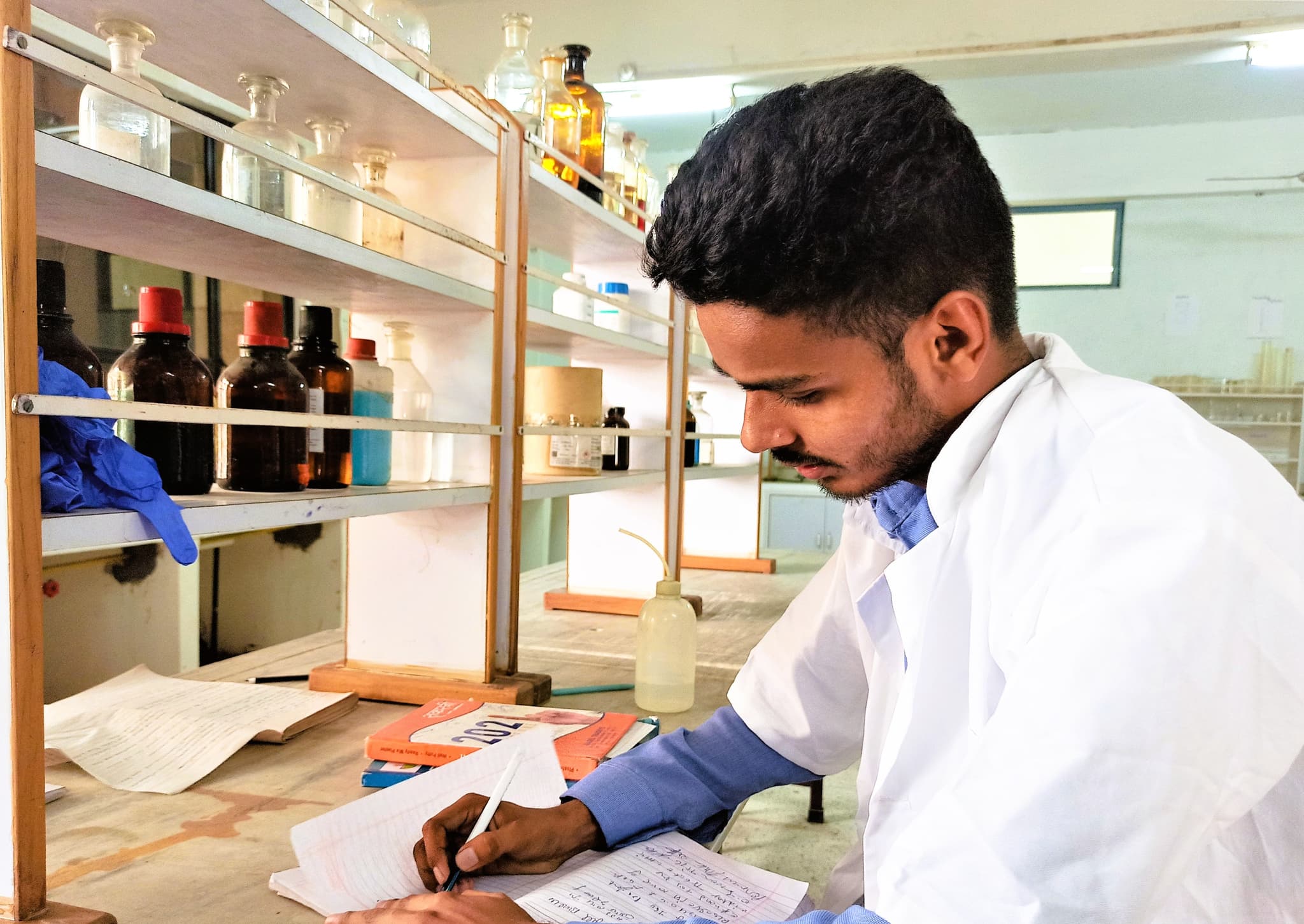
Twelve specialised laboratories at Ishan Institute of Pharmacy — where every concept becomes practice.

Campus Facilities

Comprehensive Laboratory Facilities

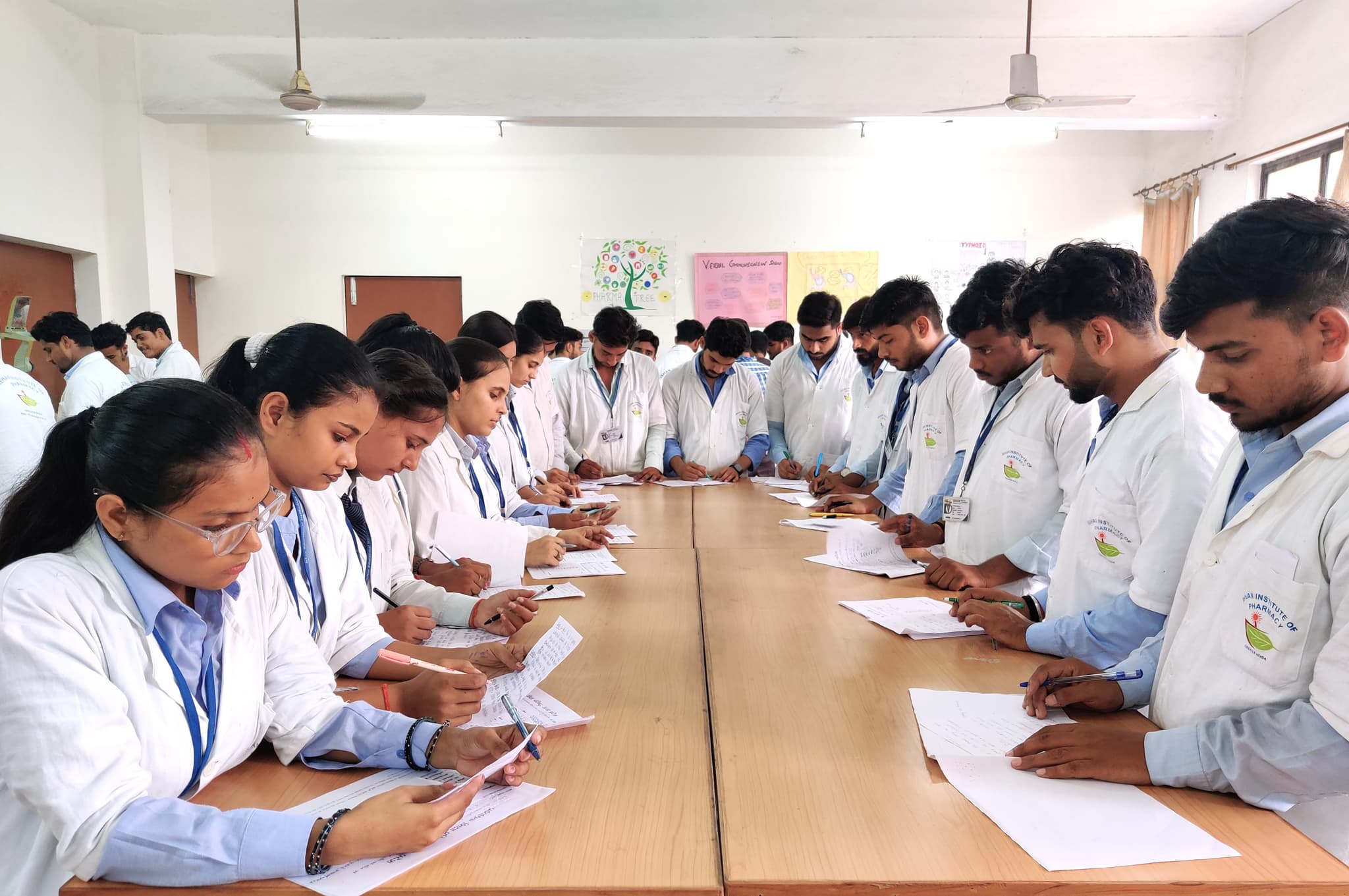
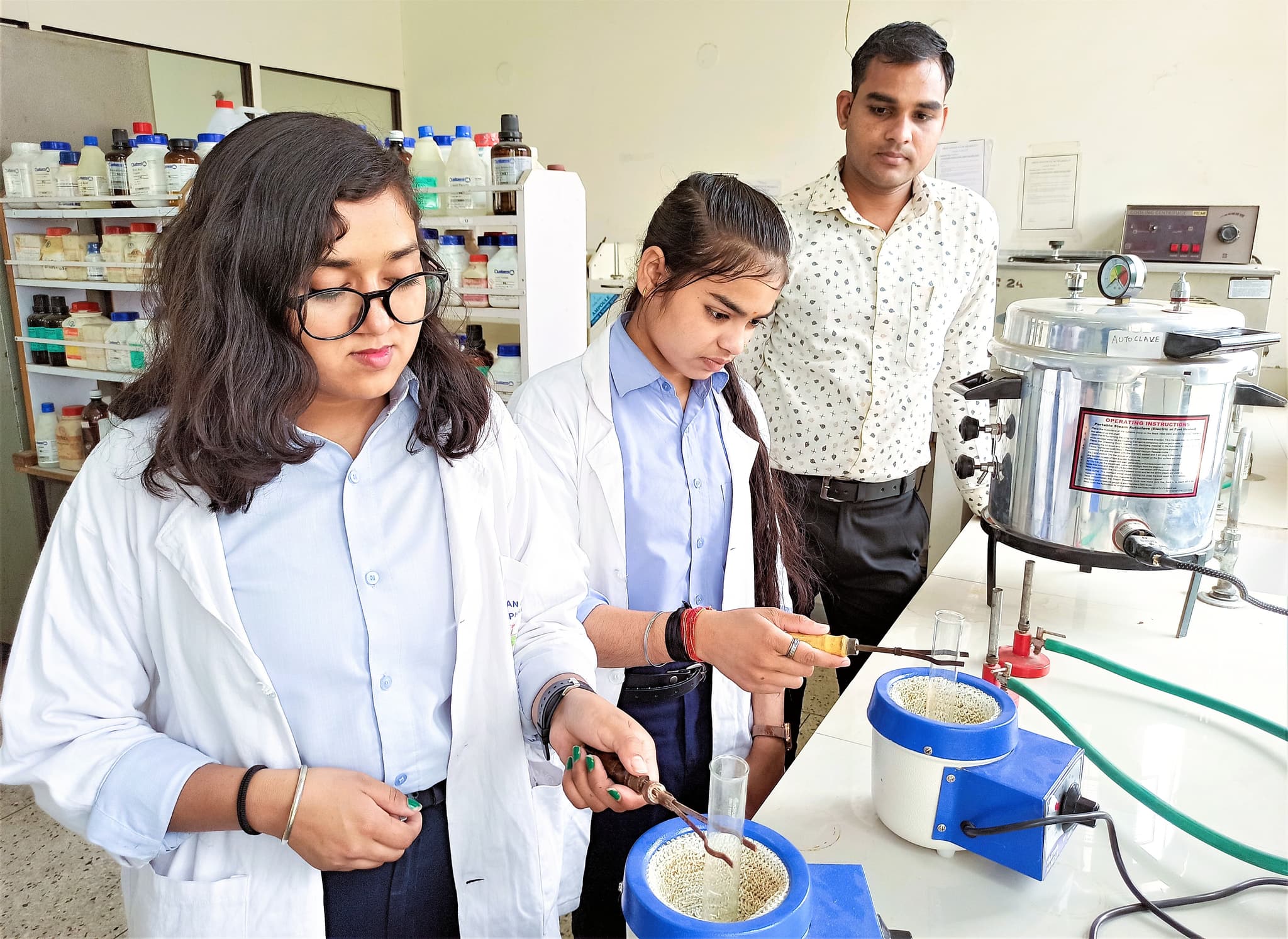
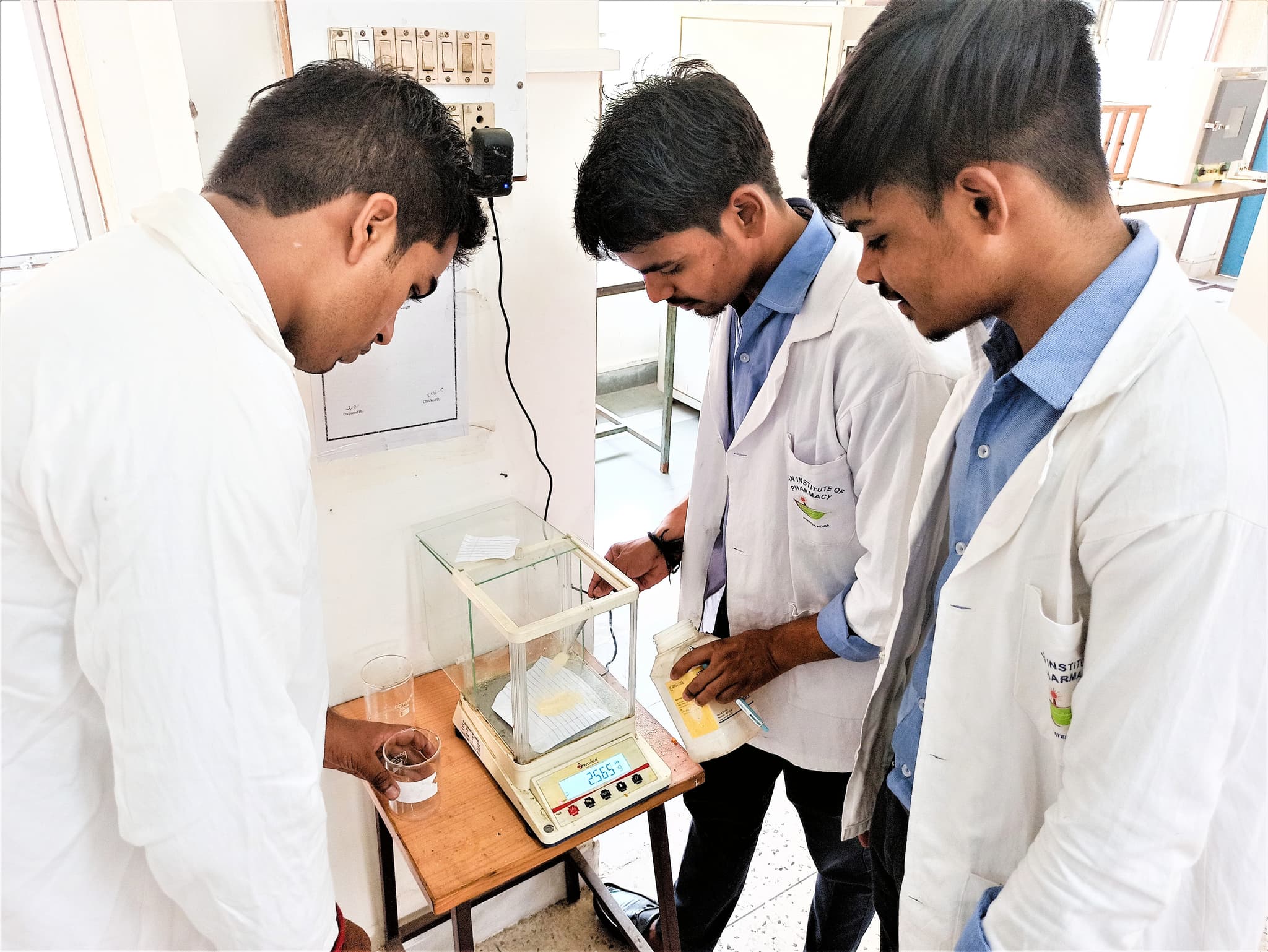
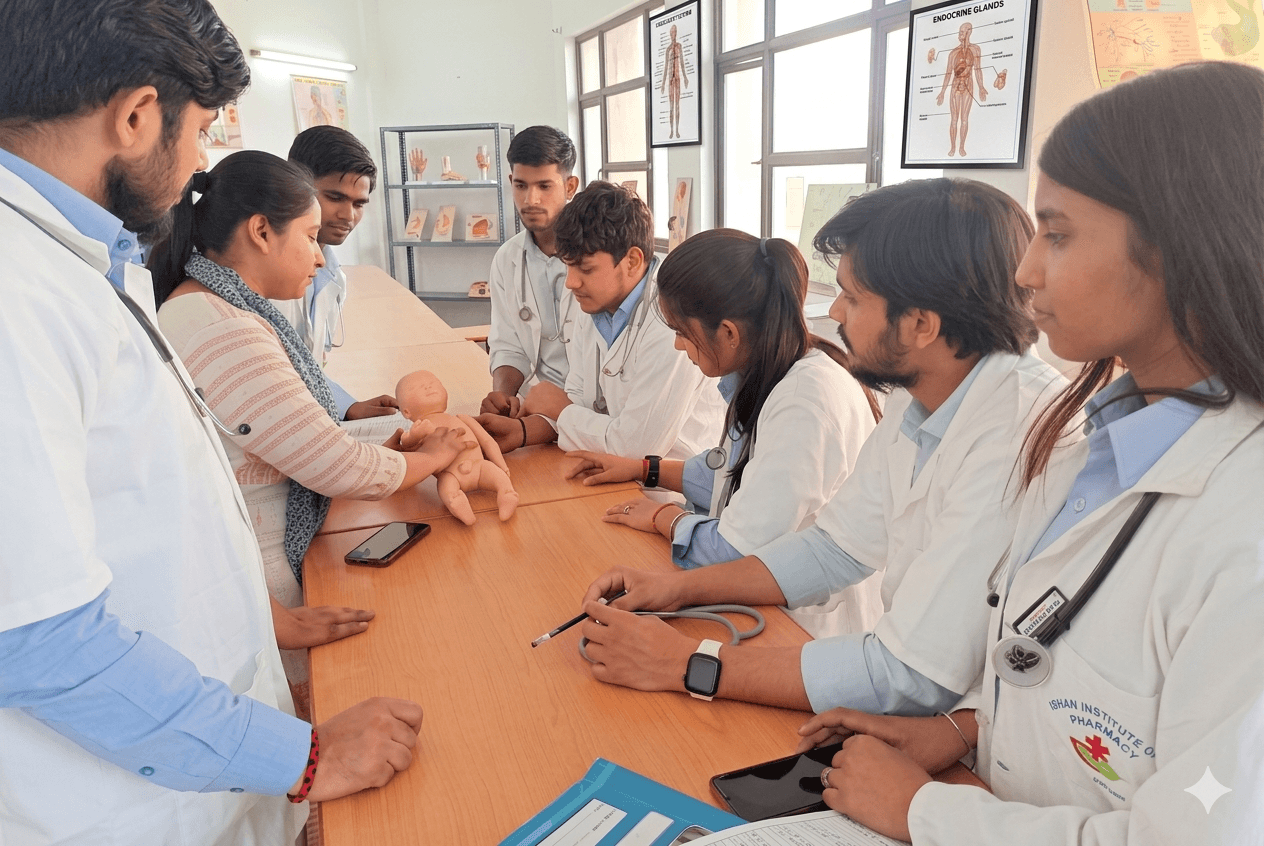
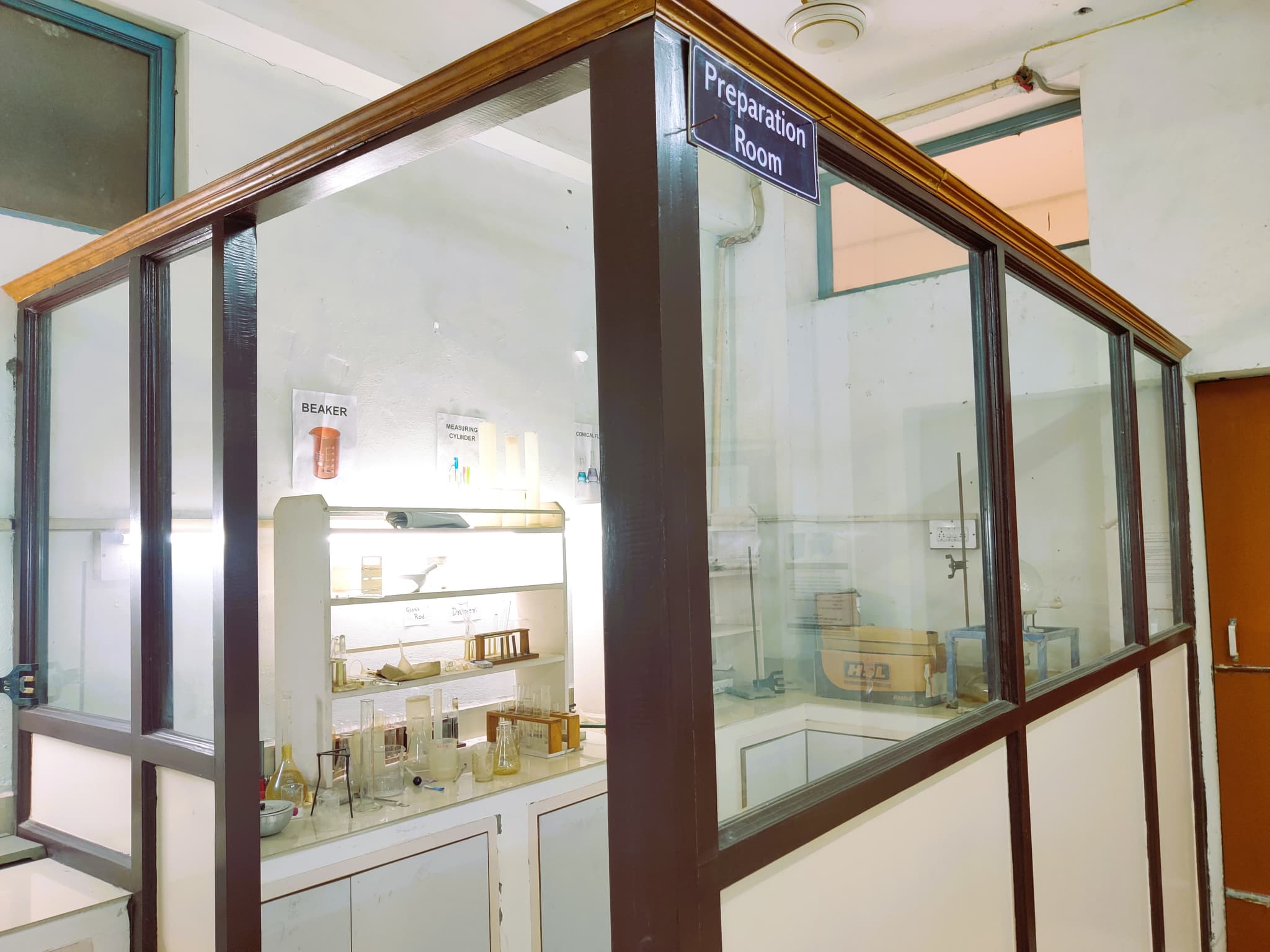
The laboratory infrastructure at Ishan Institute of Pharmacy is purpose-built to bring every pharmaceutical concept to life. Each of our twelve laboratories is aligned with PCI norms, equipped with industry-grade instruments, and designed for safe, productive, hands-on learning — from drug synthesis and formulation to pharmacology, microbiology and clinical biochemistry.

Across these spaces, students explore the full pharmacy value chain — molecular design, dosage form development, herbal pharmacy, patient practice, manufacturing and digital tools — preparing them for real-world roles in industry, hospitals, research and regulatory affairs.

12+

Specialised Laboratories

300+

Authenticated Crude Drugs

100+

Medicinal Plant Species

100%

PCI Norms Aligned

Laboratory 01

Pharmaceutical Chemistry Laboratory

Where molecules meet medicine — the foundation of drug design and quality.

Gallery

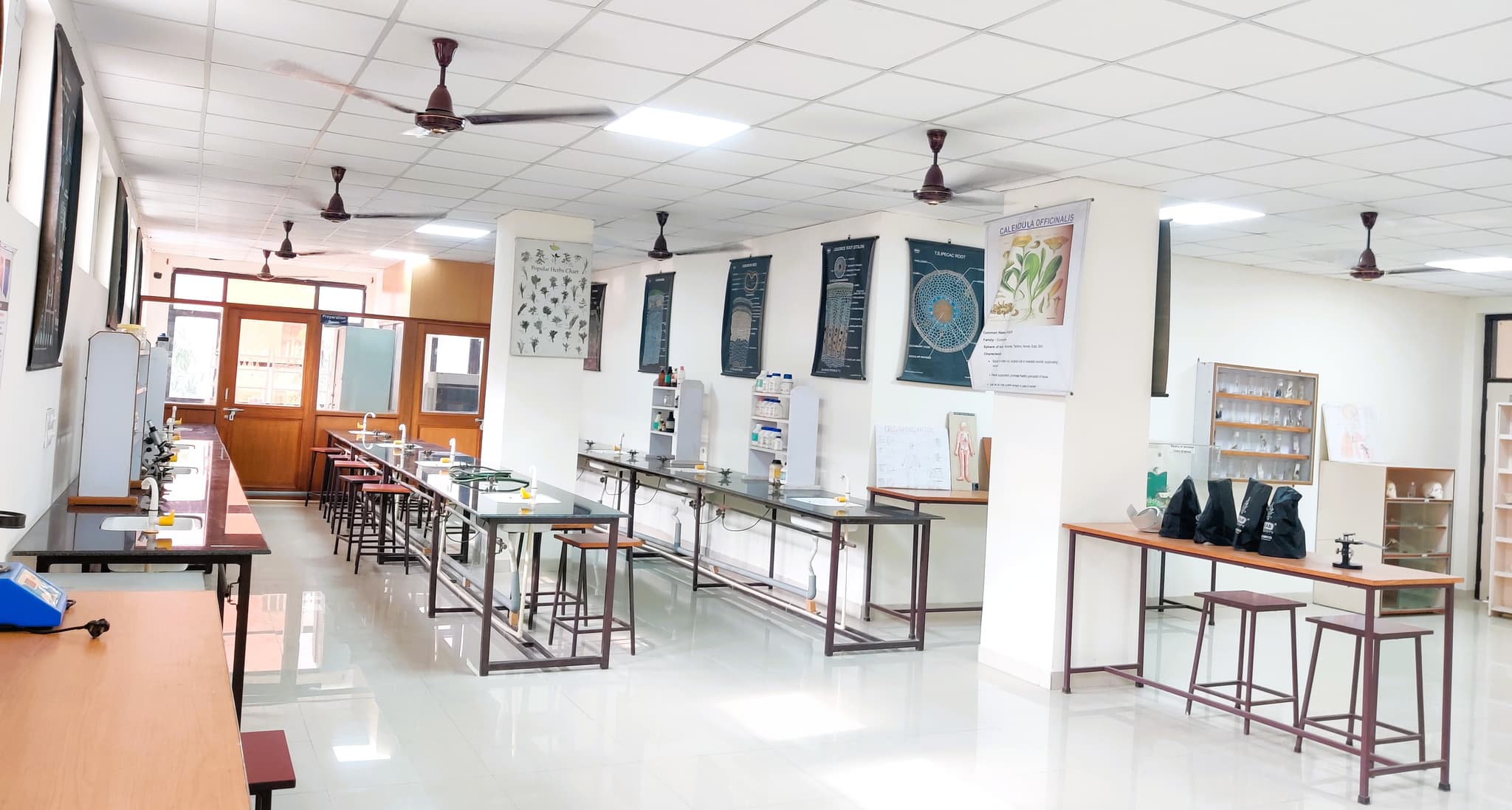
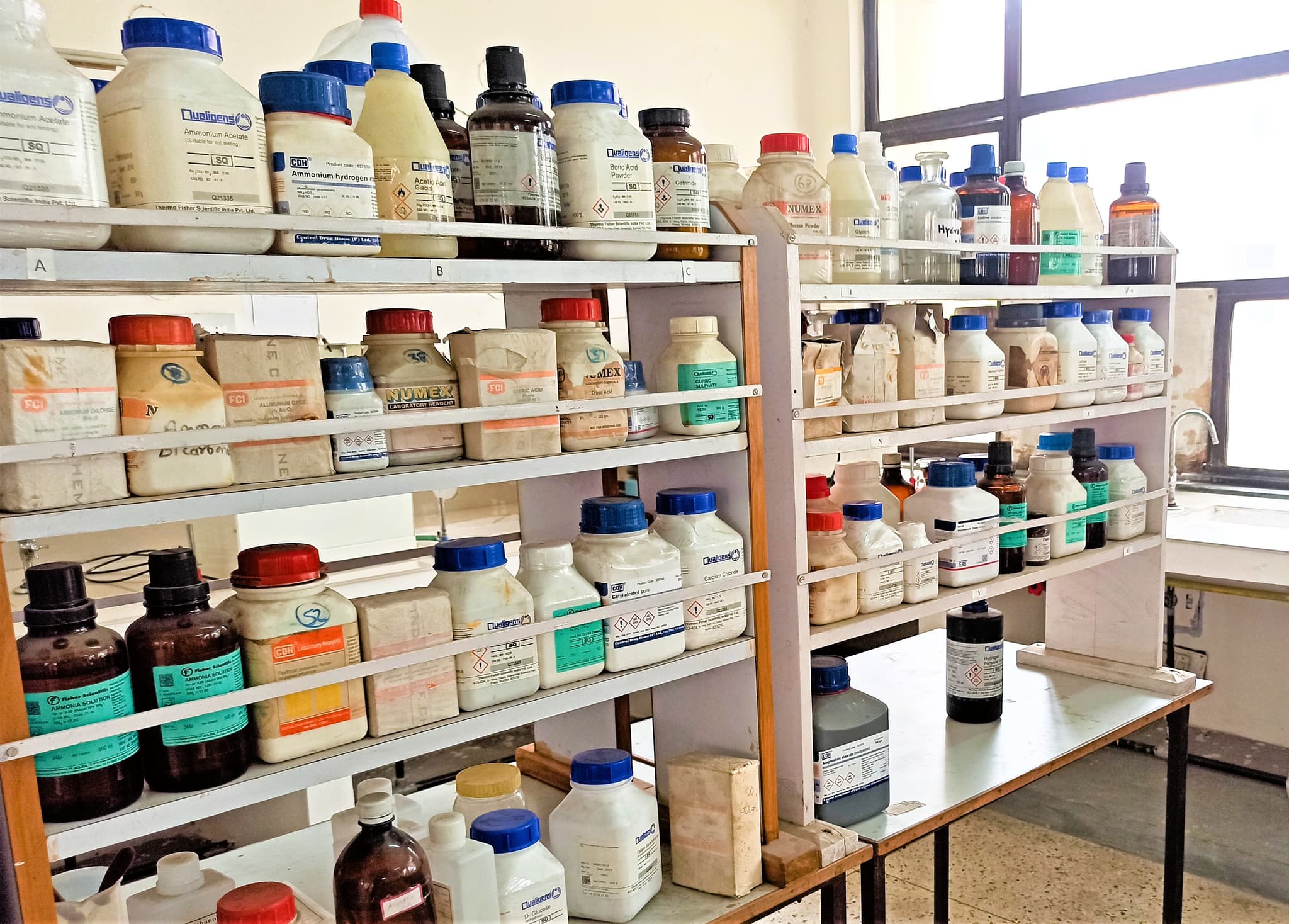
Pharmaceutical Chemistry Lab overview
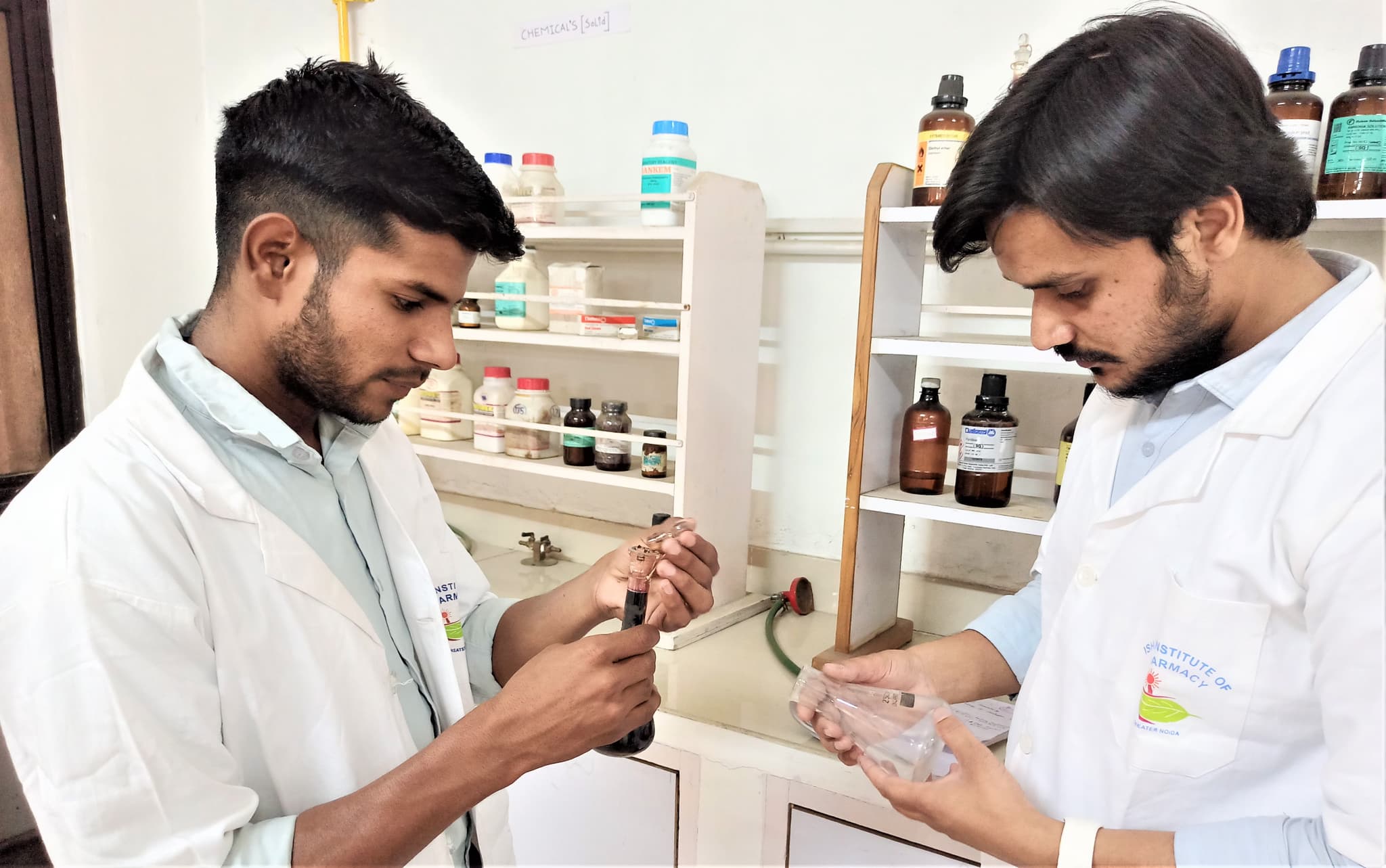
Chemical synthesis setup
Spectrophotometer in use
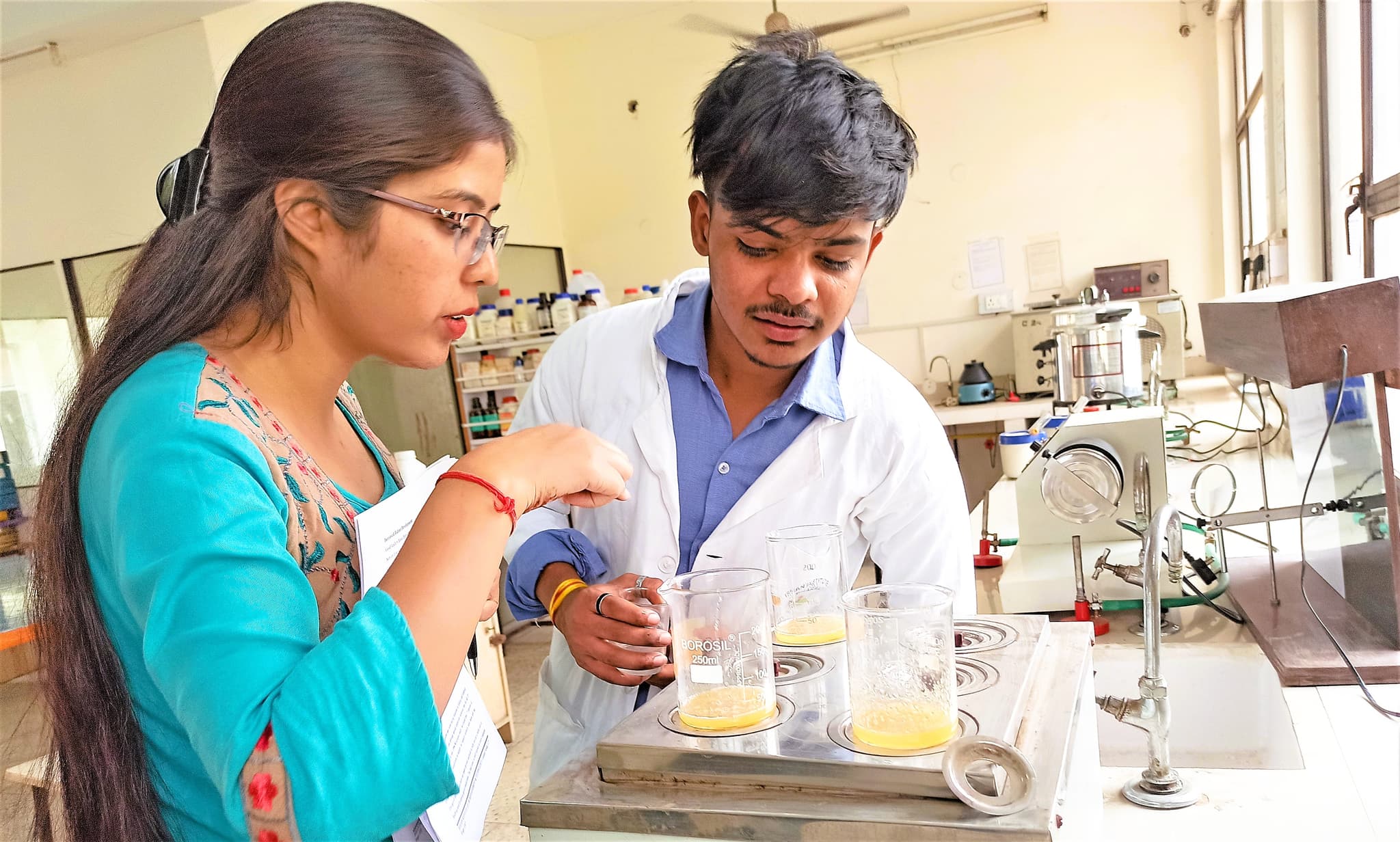
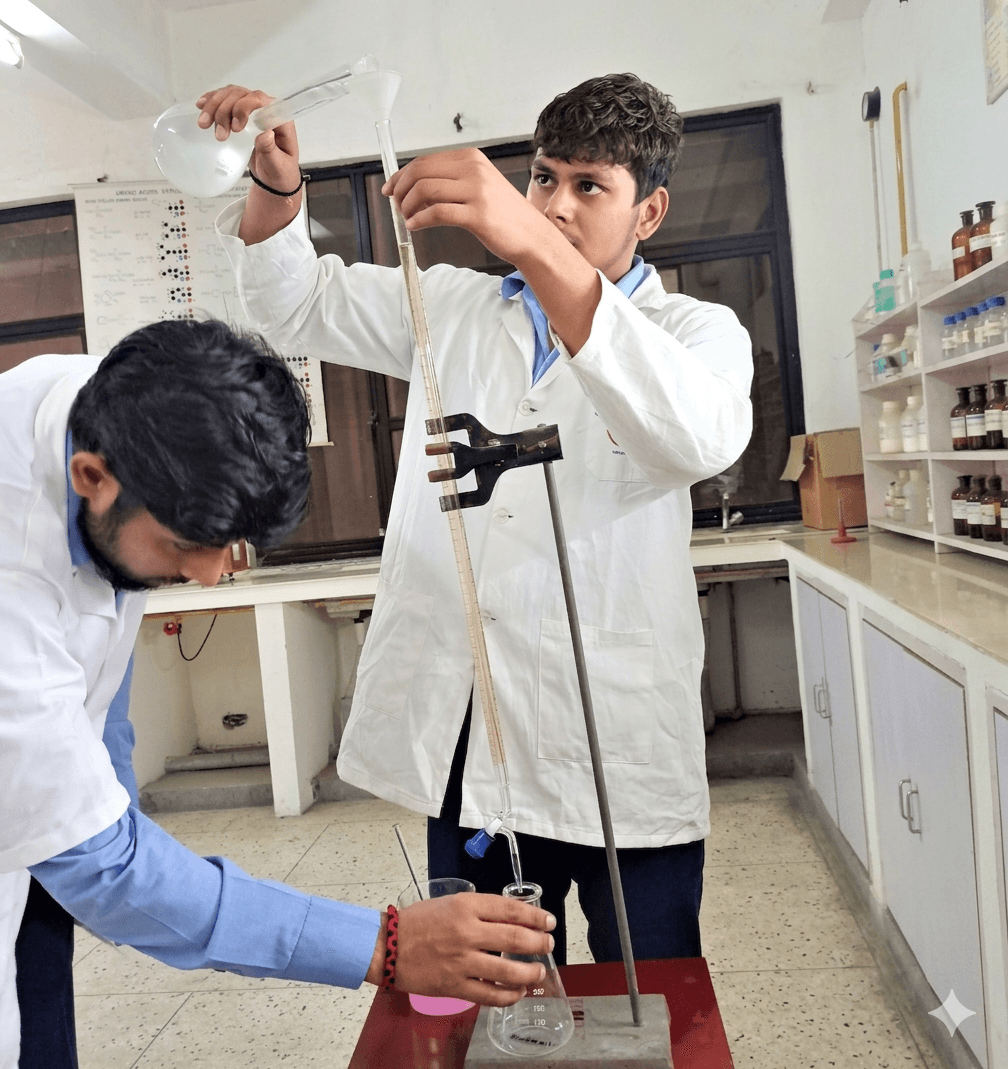
Students conducting titration
Overview

Bridging Chemistry and Therapeutics

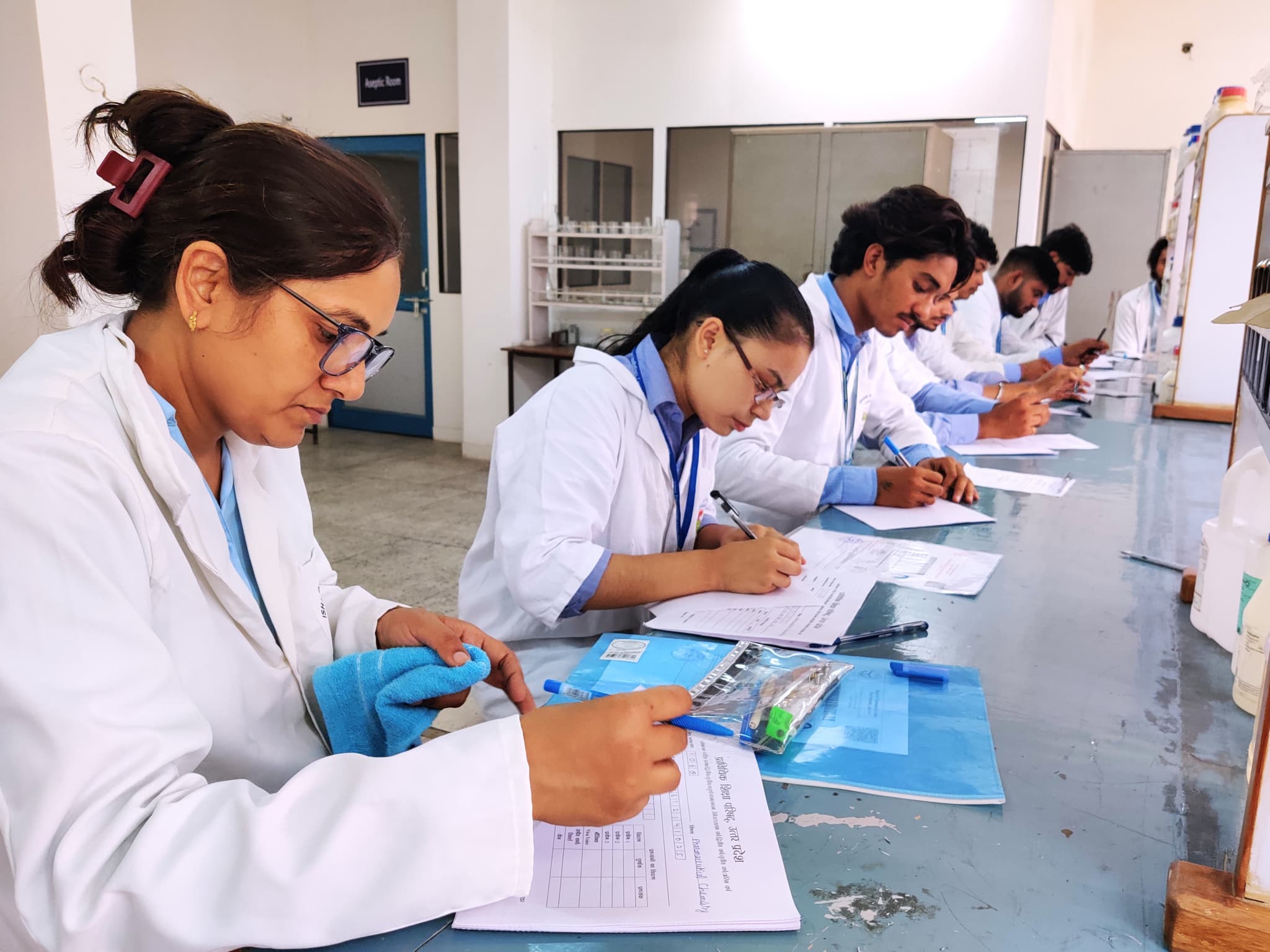
The Pharmaceutical Chemistry Laboratory at Ishan Institute of Pharmacy is a cornerstone of our science education, purpose-built to foster deep understanding of the chemical principles that underpin drug discovery, development, and quality assessment. Spread across a spacious, well-ventilated facility, the lab accommodates students in a safe, productive environment aligned with Pharmacy Council of India (PCI) norms.

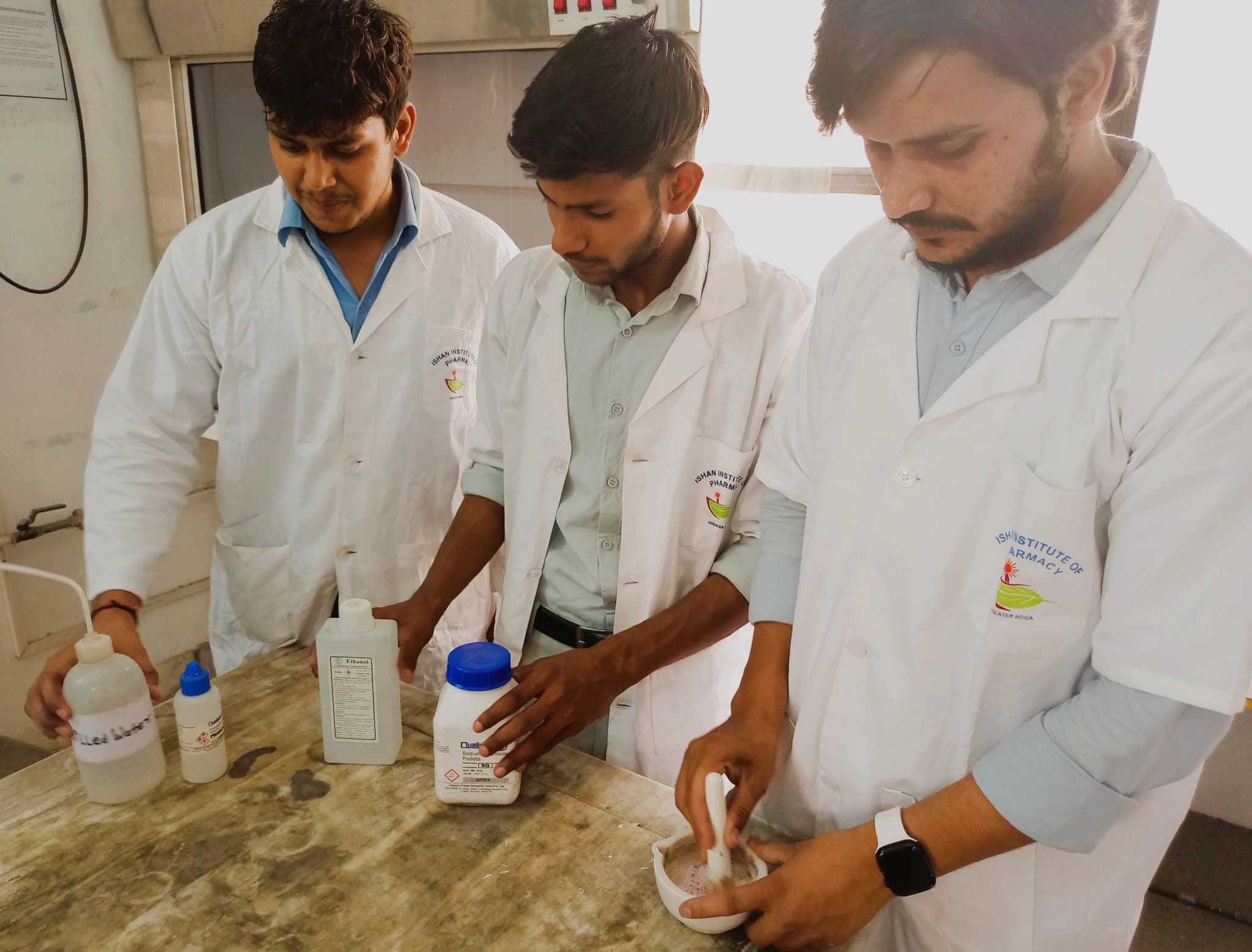
Students engage in systematic exploration of organic, inorganic, and medicinal chemistry — synthesising active pharmaceutical ingredients (APIs), analysing drug molecules using modern spectroscopic and chromatographic methods, and evaluating the chemical stability of formulations. Every experiment is designed to create a direct, visible connection between classroom theory and real-world pharmaceutical manufacturing and quality control.

What Students Learn

Students master the synthesis of medicinally important organic compounds, including analgesics, antipyretics, and antimicrobials. Qualitative and quantitative analysis techniques — including gravimetric, volumetric, and instrumental methods — are practised through structured experiments mapped to D Pharm and B Pharm curricula.

The lab introduces students to structure–activity relationships (SAR), helping them understand why slight changes in molecular structure alter a drug's potency, selectivity, and toxicity. This analytical mindset is invaluable for careers in formulation, quality assurance, or drug regulatory affairs.

Key Instruments & Equipment
  • UV-Visible Double Beam Spectrophotometer
  • High Performance Liquid Chromatography (HPLC)
  • Infrared (IR) Spectrophotometer
  • Melting Point Apparatus (digital)
  • Rotary Evaporator
  • Magnetic Stirrers with hot plate
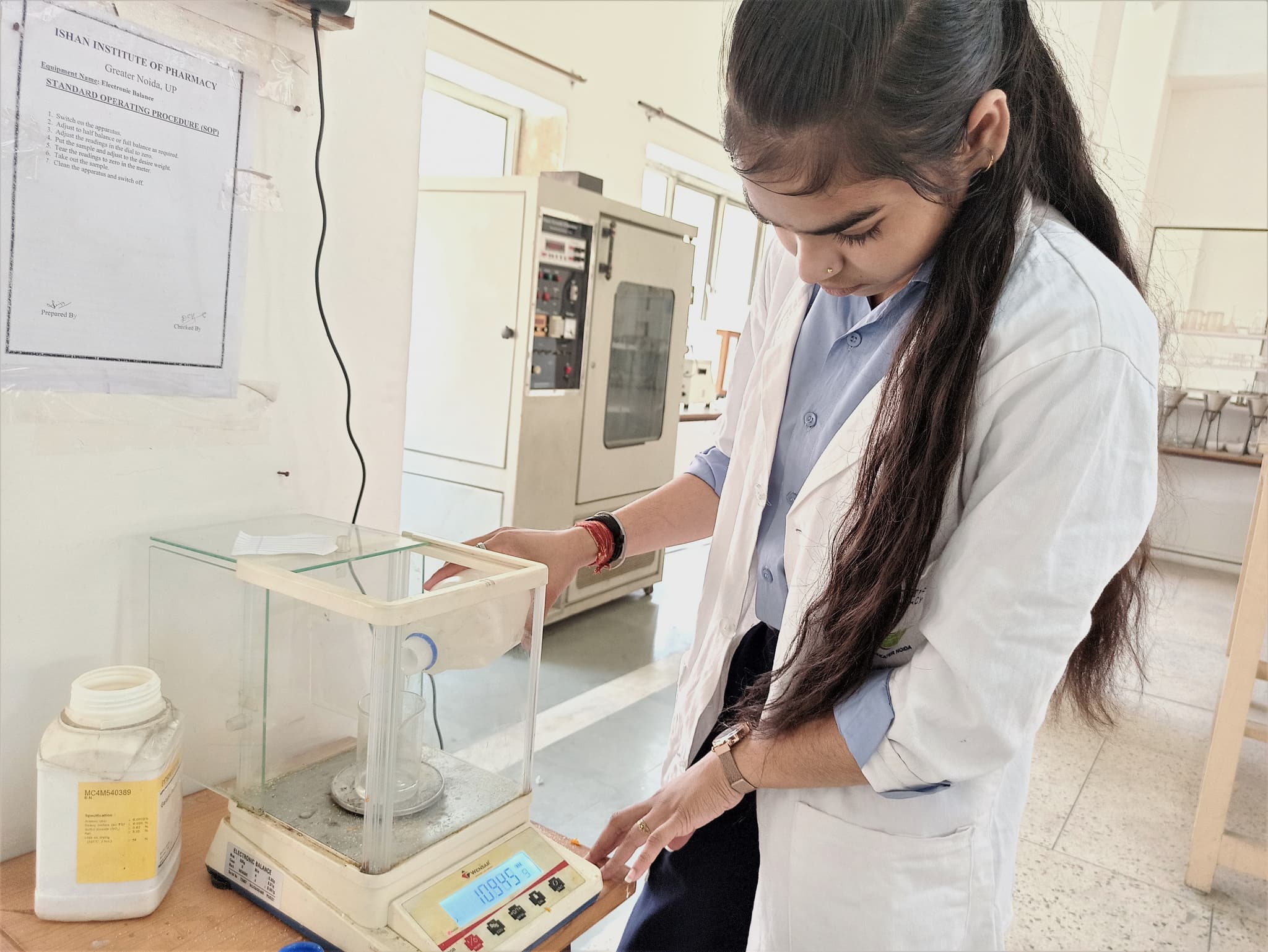
  • Electronic Analytical Balance (0.0001 g)
  • Reflux Condensers & Vacuum Distillation Sets
  • pH Meters and Conductivity Meters
  • Muffle Furnace & Oven
Learning Outcomes

Perform multi-step organic synthesis of drug molecules

Apply chromatographic techniques for drug purity analysis

Interpret spectroscopic data to elucidate molecular structures

Conduct IP/BP pharmacopoeial assays with precision

Understand chemical stability and degradation pathways

Industry Relevance

The skills acquired in this laboratory are directly applicable to roles in pharmaceutical manufacturing, analytical quality control (QC), regulatory submissions (CTD/ANDA dossiers), and research & development. Students graduate with hands-on proficiency in the very instruments used by leading pharma companies across India and abroad.

Laboratory 02

Pharmaceutics Laboratory

Formulating the future — from powders and pills to patches and injectables.

Gallery

Tablet compression machine
Ointment / cream preparation
Dissolution testing apparatus
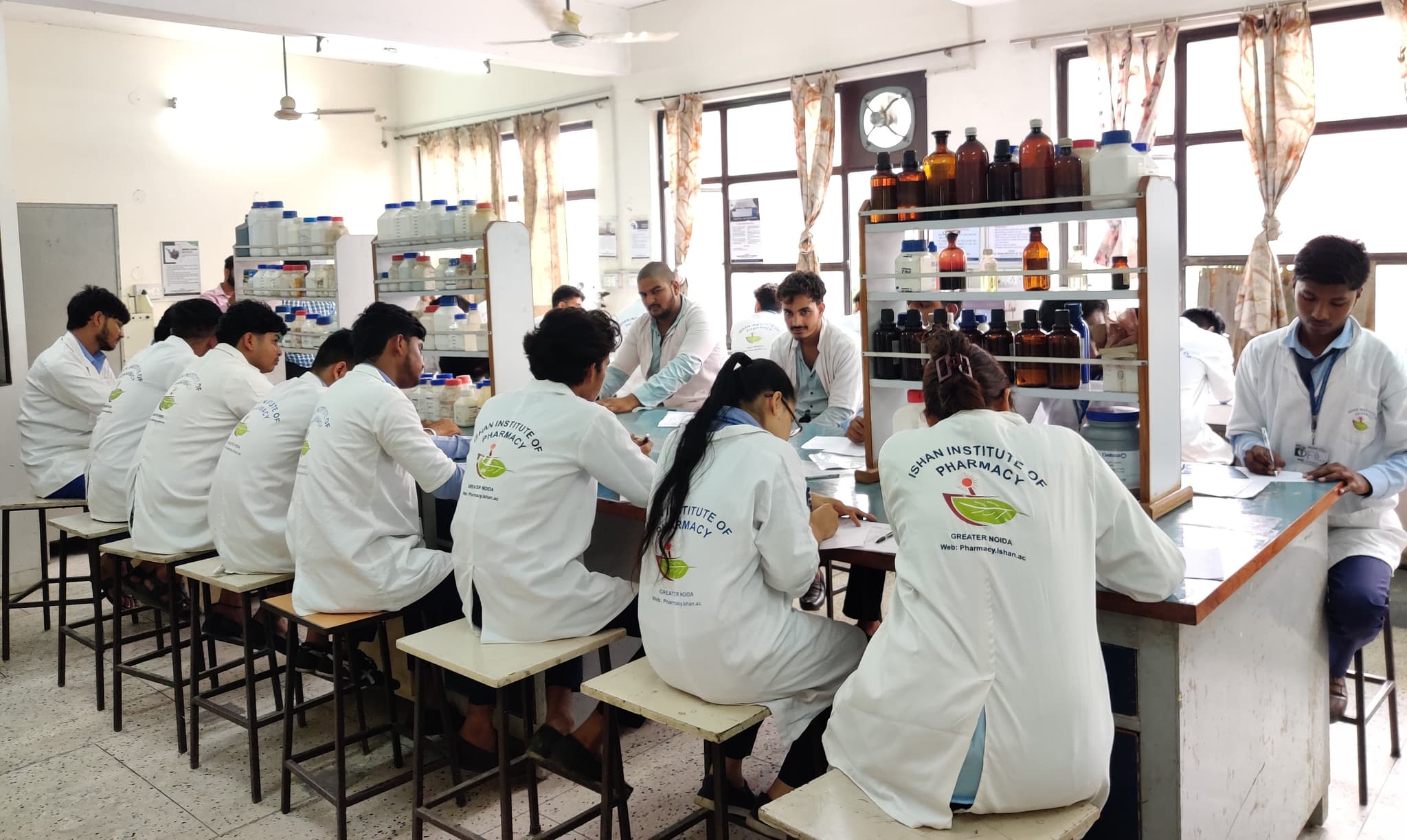
Students at work benches
Overview

The Science of Drug Formulation

The Pharmaceutics Laboratory is where abstract pharmaceutical science becomes tangible medicine. Students learn to formulate, prepare, and evaluate a comprehensive range of dosage forms — from simple solutions and suspensions to tablets, capsules, suppositories, emulsions, aerosols, and transdermal patches. The lab is one of the most extensively equipped facilities at Ishan, reflecting the central importance of pharmaceutics in pharmacy education.

Every workbench is equipped for hands-on formulation work, and the facility is designed to simulate a GMP-style environment, instilling in students the discipline of documentation, cleanliness, and procedural accuracy from their very first semester.

Formulations Covered

Students work through all major dosage form categories as mandated by the PCI curriculum. This includes liquid dosage forms (solutions, syrups, elixirs, liniments), semisolid preparations (ointments, creams, gels, pastes), solid dosage forms (tablets, capsules, granules, powders), and sterile preparations (eye drops, nasal drops, injections).

Advanced B Pharm students additionally explore novel drug delivery systems — nanoparticles, liposomes, microspheres, and sustained-release matrix tablets — bridging conventional formulation with cutting-edge pharmaceutical innovation.

Key Instruments & Equipment
  • Single Punch Tablet Press (Rotary)
  • Friability Tester & Hardness Tester
  • Disintegration Test Apparatus
  • USP Dissolution Test Apparatus (Type I & II)
  • Capsule Filling Machine (Manual & Semi-auto)
  • Brookfield Viscometer / Rheometer
  • Colloid Mill & Homogeniser
  • Steam Steriliser (Autoclave)
  • Laminar Air Flow (LAF) Cabinet
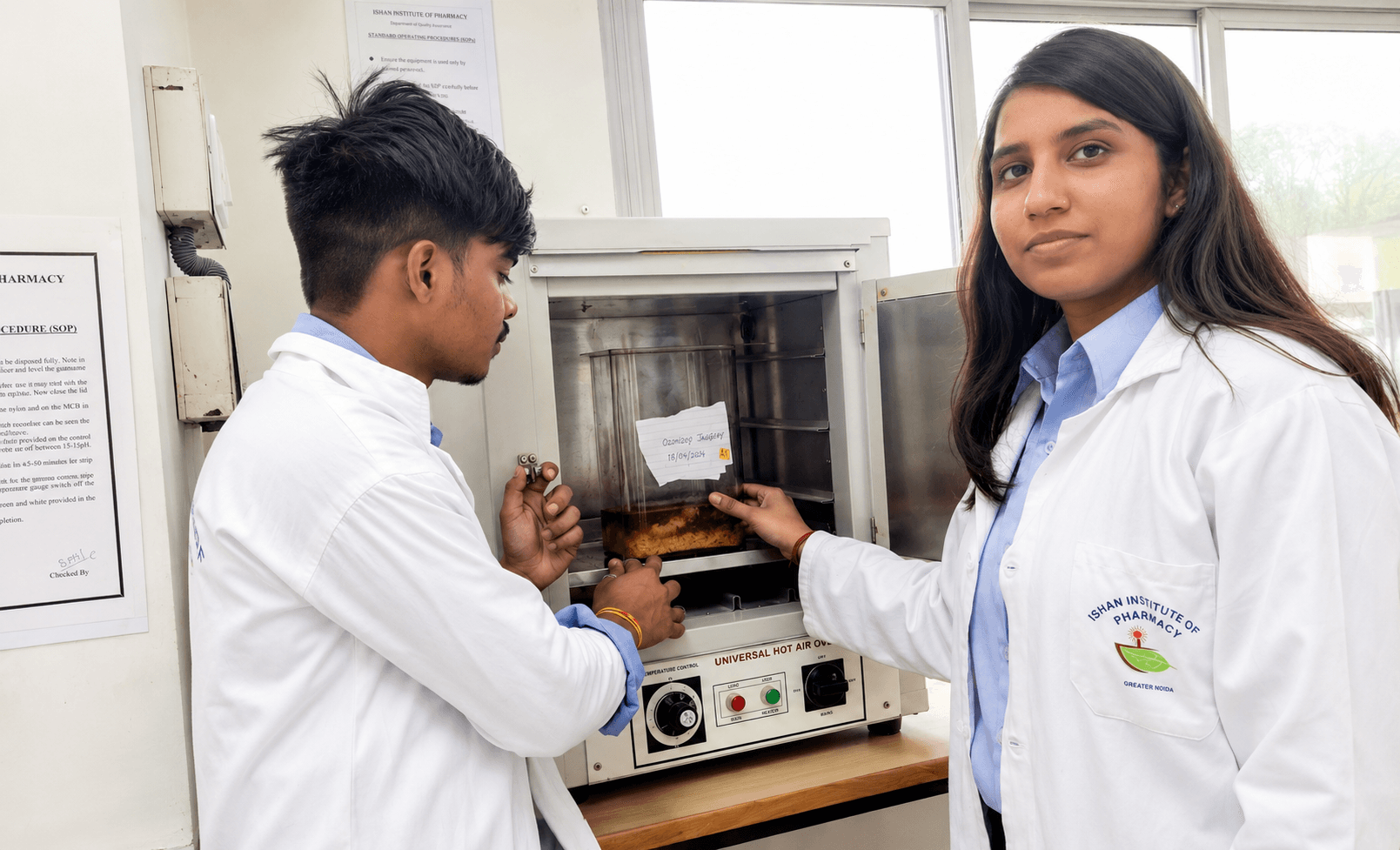
  • Hot Air Oven & Desiccator Sets
Learning Outcomes

Prepare and evaluate all major pharmaceutical dosage forms

Apply preformulation studies and excipient selection principles

Conduct quality control tests per IP/BP/USP specifications

Understand packaging materials and their compatibility

Appreciate GMP principles in a lab-scale simulation

Industry Relevance

India is the world's largest supplier of generic medicines, and pharmaceutics is at the heart of this industry. Graduates from this lab are well-prepared for formulation development roles at companies like Sun Pharma, Dr. Reddy's, Cipla, Lupin, and Aurobindo, as well as contract development and manufacturing organisations (CDMOs) and regulatory agencies.

Laboratory 03

Pharmacognosy Laboratory

Rooted in nature, refined by science — exploring the botanical origins of medicine.

Gallery

Crude drug specimens / herbarium
Microscopy of plant sections
Phytochemical extraction setup
Students examining drug samples
Overview

From Plant to Pharmacy

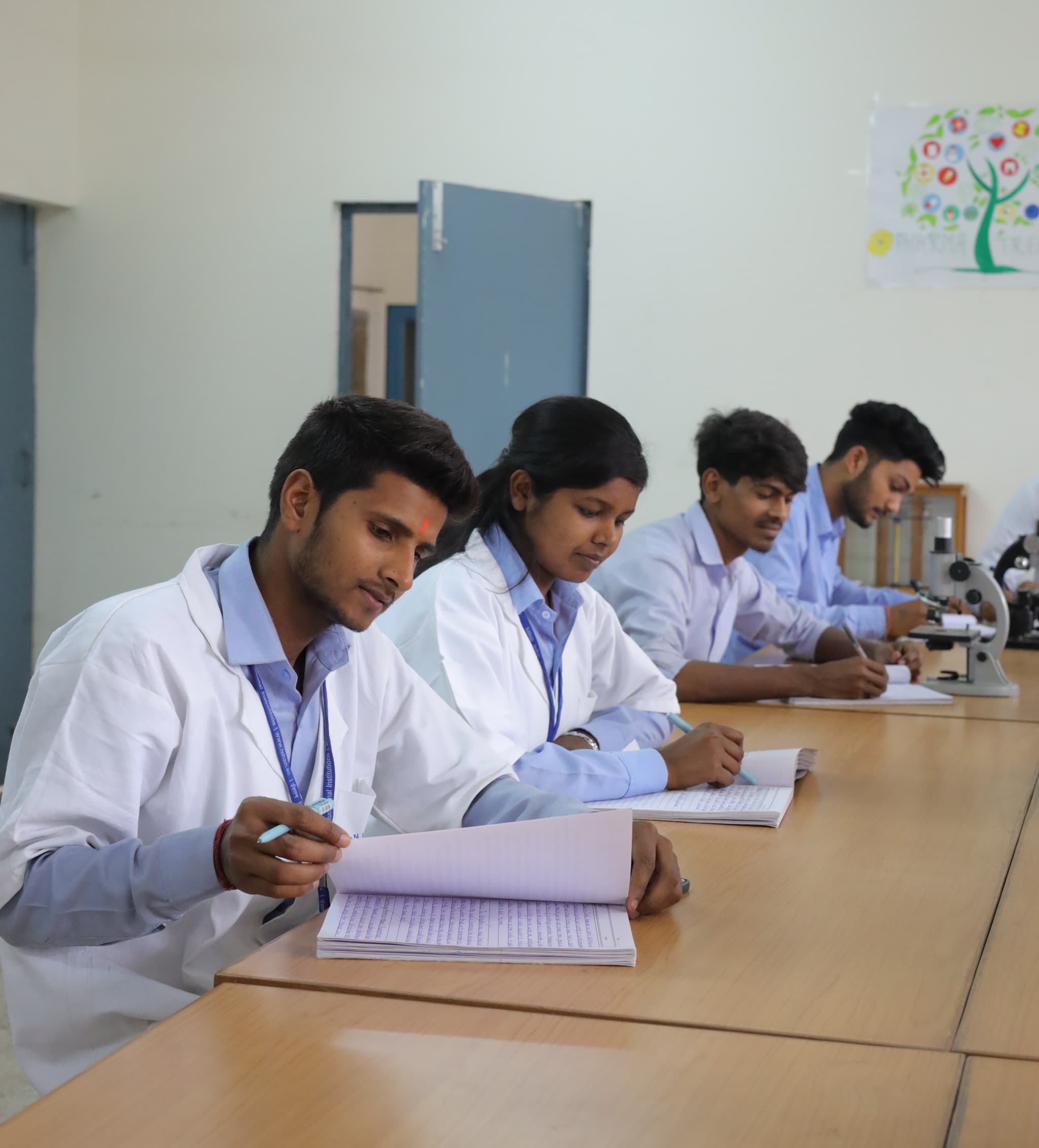
The Pharmacognosy Laboratory celebrates the rich heritage of natural medicine while applying rigorous modern science to its study. India's biodiversity makes pharmacognosy uniquely relevant, and Ishan's laboratory is equipped to help students explore, identify, extract, and evaluate crude drugs derived from plant, animal, and mineral sources.

The lab houses a curated collection of authenticated crude drug specimens — roots, barks, leaves, flowers, fruits, seeds, and resins — enabling morphological and microscopic identification. Students learn phytochemical screening, extraction techniques, and chromatographic methods to isolate and identify bioactive compounds such as alkaloids, flavonoids, terpenes, and glycosides.

Core Activities

Students perform macroscopic and microscopic examination of crude drugs using permanent slides, hand sections, and staining techniques including phloroglucinol, Millon's reagent, and iodine tests. Systematic phytochemical screening is conducted to identify the class of active constituents present in plant samples.

Extraction methods including cold maceration, hot percolation, Soxhlet extraction, and steam distillation are practised. Thin Layer Chromatography (TLC) and High Performance Thin Layer Chromatography (HPTLC) are used for standardisation and adulteration detection of herbal drugs.
Key Instruments & Equipment
  • Compound & Polarising Microscopes (binocular)
  • Soxhlet Extraction Apparatus
  • Steam Distillation Unit
  • HPTLC Plate Applicator & Visualisation Cabinet
  • Clevenger's Apparatus (volatile oil estimation)
  • Centrifuge Machine
  • Water Bath (digital, multiple channels)
  • Vacuum Filtration Assembly
  • Crude Drug Museum Specimens (500+)
  • Permanent Histological Slides Collection
Learning Outcomes

Identify authenticated crude drugs by macro & microscopic methods

Perform phytochemical screening for active constituents

Apply extraction and isolation techniques for bioactives

Conduct adulteration and quality control of herbal drugs

Understand Ayurvedic & ethnobotanical drug systems

Industry Relevance

With the herbal and nutraceutical industry growing at over 15% annually in India, pharmacognosists are in high demand. Graduates are equipped for roles in quality control of herbal drugs, phytopharmaceutical R&D, regulatory filings for herbal products, and research at institutes like CSIR-CDRI, CCRAS, and leading Ayurveda companies.

Laboratory 04

Pharmacy Practice Laboratory

Preparing compassionate, competent pharmacists for frontline healthcare delivery.

Gallery

Model pharmacy / dispensary
Patient counselling simulation
Prescription analysis activity
Drug dispensing counter
Overview

Simulating Real-World Pharmacy Practice

The Pharmacy Practice Laboratory at Ishan Institute of Pharmacy is designed as a realistic simulation of a modern community and hospital pharmacy. This dedicated space bridges the gap between pharmaceutical science and patient care, training students to become not just dispensers of medicine but trusted healthcare advisors.

Equipped as a model pharmacy complete with a dispensing counter, drug storage cabinets, prescription bins, and patient counselling area, the lab enables students to practise every aspect of pharmacy operations — from reading and verifying prescriptions to dispensing, labelling, patient counselling, and maintaining records as per statutory requirements.

Core Practicals

Students practise interpretation of prescriptions in both community and hospital settings, identifying potential drug interactions, inappropriate doses, and contraindications. Role-play scenarios simulate common counselling situations — diabetes management, hypertension, respiratory disorders, and paediatric dosing.

Hospital pharmacy operations including medication reconciliation, ward round participation, adverse drug reaction (ADR) reporting, and pharmacovigilance are covered. Students also learn inventory management, cold chain storage protocols, and the use of pharmacy management software for billing and stock control.

Facilities & Resources
  • Fully functional model dispensary counter
  • Drug Information Centre (reference books & journals)
  • Prescription file & patient record management system
  • Sample drug stock (labelled training bottles)
  • Counselling simulation area with role-play props
  • British Pharmacopoeia, Indian Pharmacopoeia, USP
  • Pharmacy practice software (eMedical / equivalent)
  • ADR Reporting forms & pharmacovigilance tools
  • Compliance aids: pill organisers, dose calendars
  • Prescription blank pads for simulation exercises
Learning Outcomes

Accurately dispense and label prescription medications

Counsel patients on drug usage, dosage & side effects

Identify and resolve drug-drug and drug-food interactions

Manage pharmacy inventory and cold-chain requirements

Document ADRs and participate in pharmacovigilance

Industry Relevance

With over 8.5 lakh registered pharmacists in India and the pharmacy retail sector growing rapidly, Pharmacy Practice skills are among the most employable competencies a pharmacy graduate can possess. Our students graduate ready for positions in hospitals, community pharmacies, clinical settings, and public health organisations.

Laboratory 05

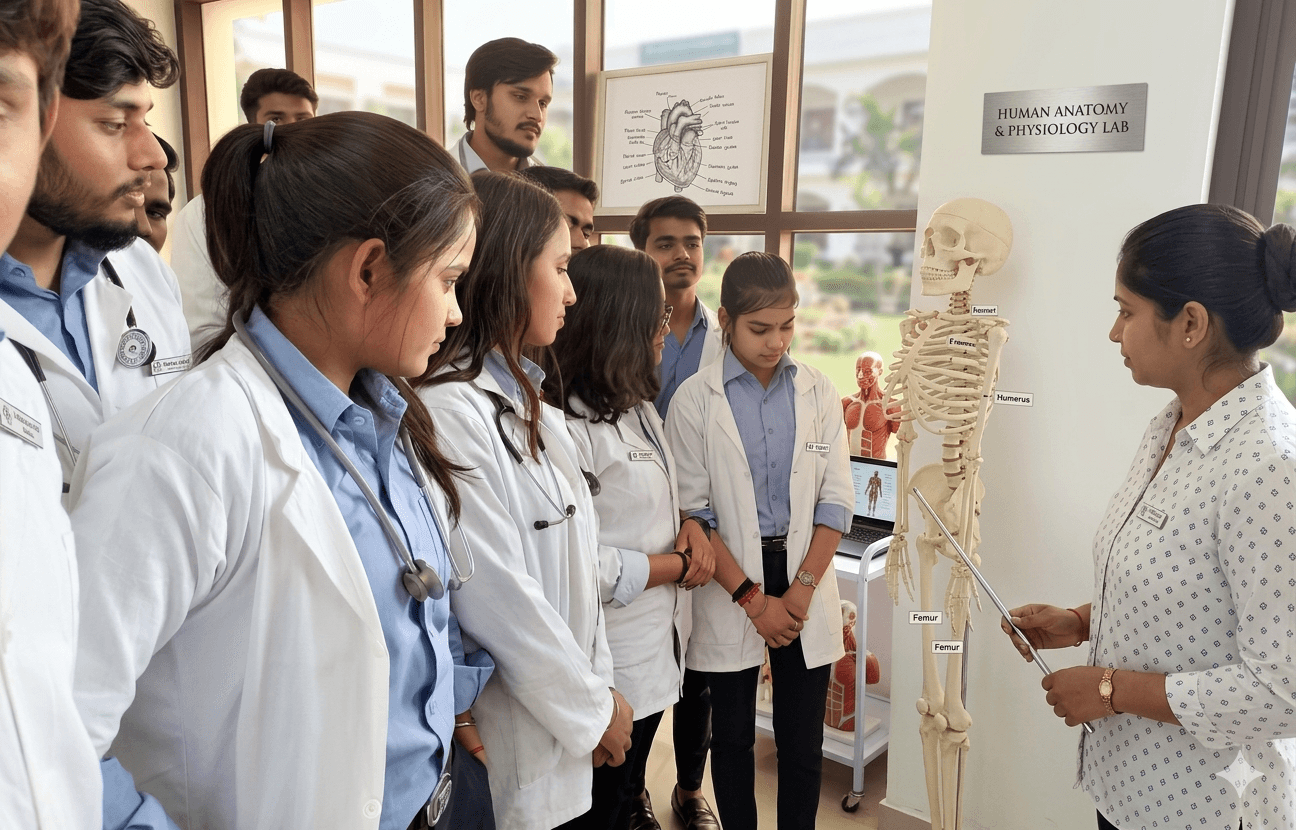
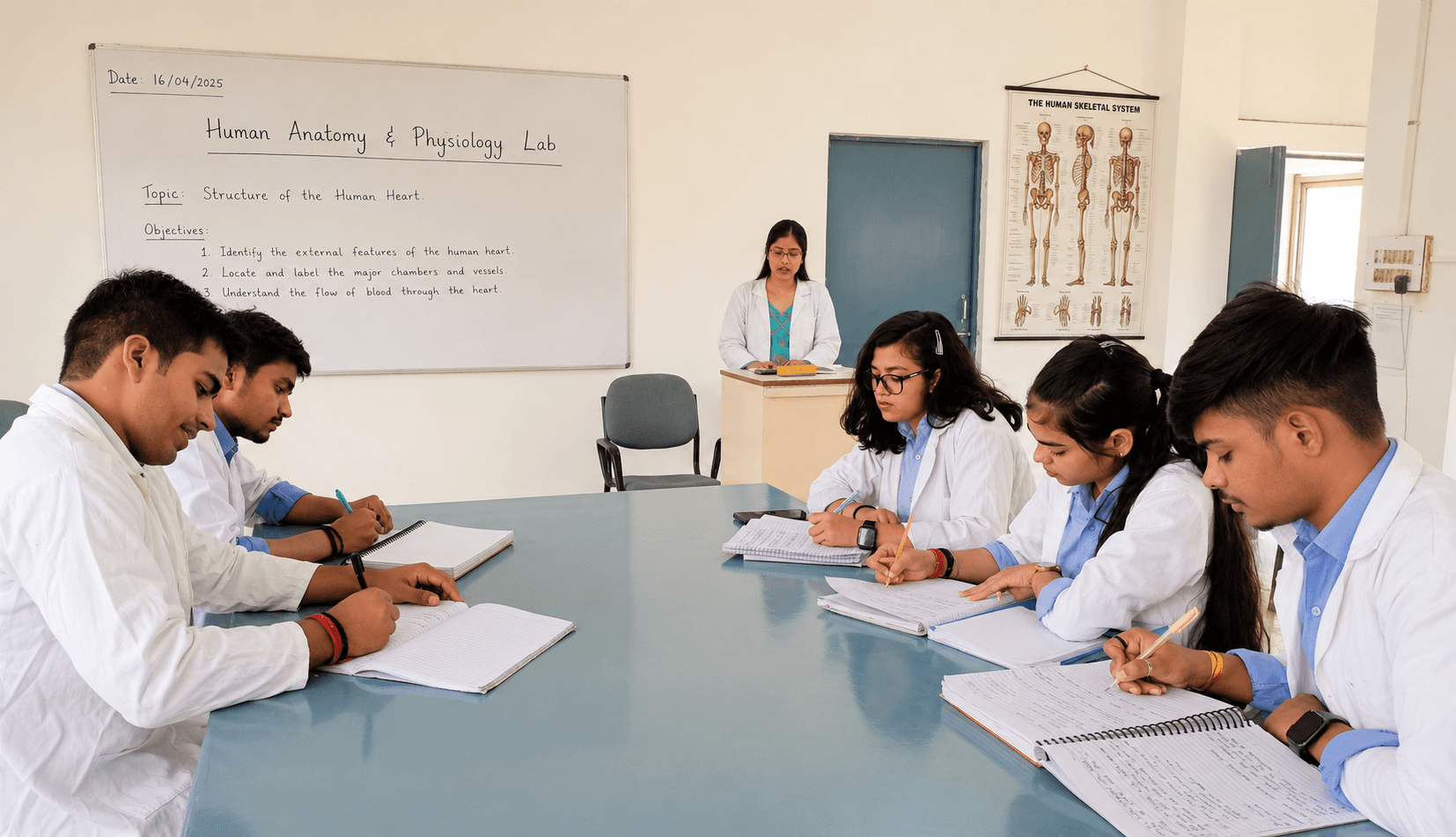
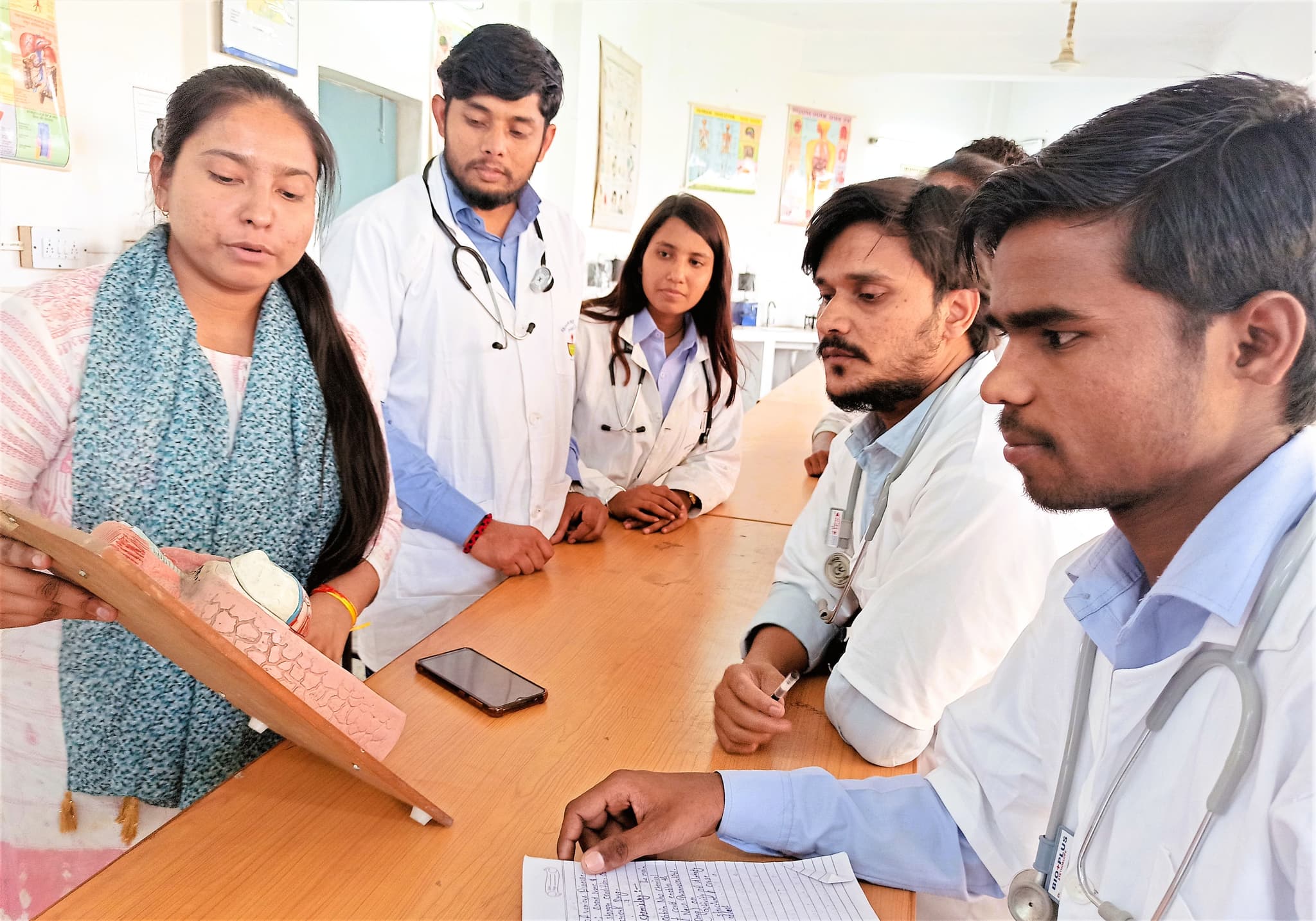
Human Anatomy & Physiology Laboratory

Understanding the human machine — the essential foundation for every pharmacist.

Gallery

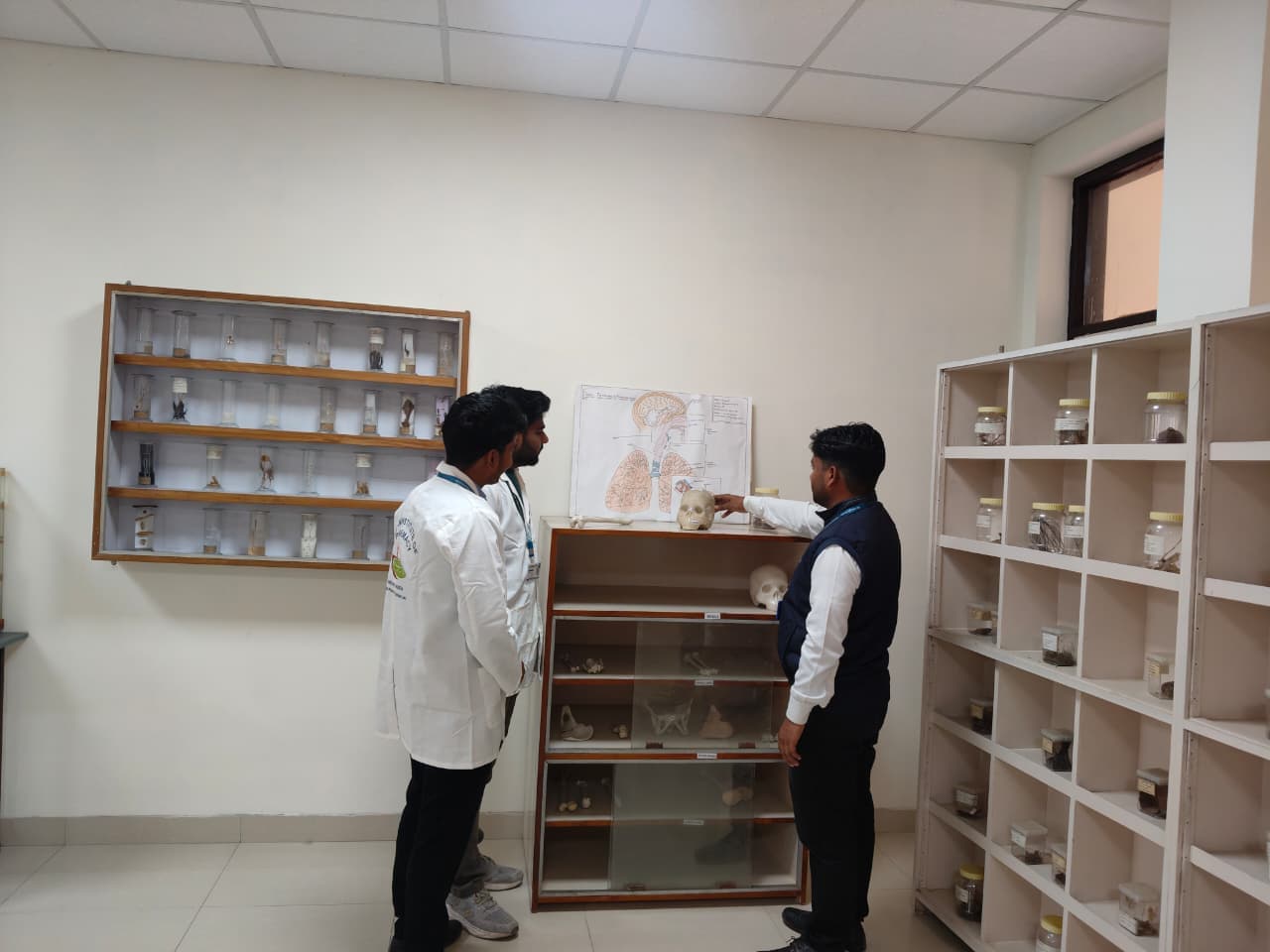
Human skeleton model
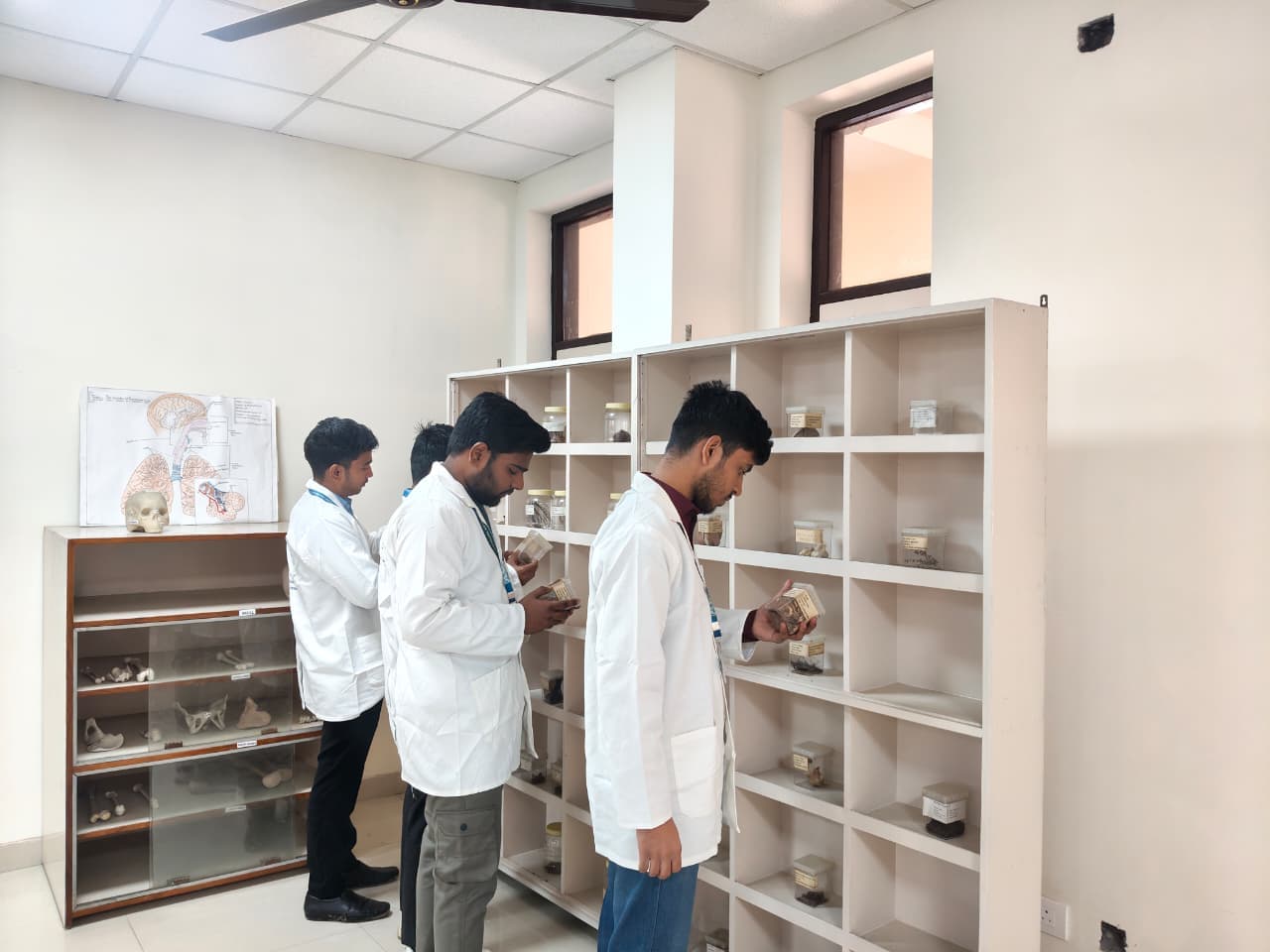
Organ models display
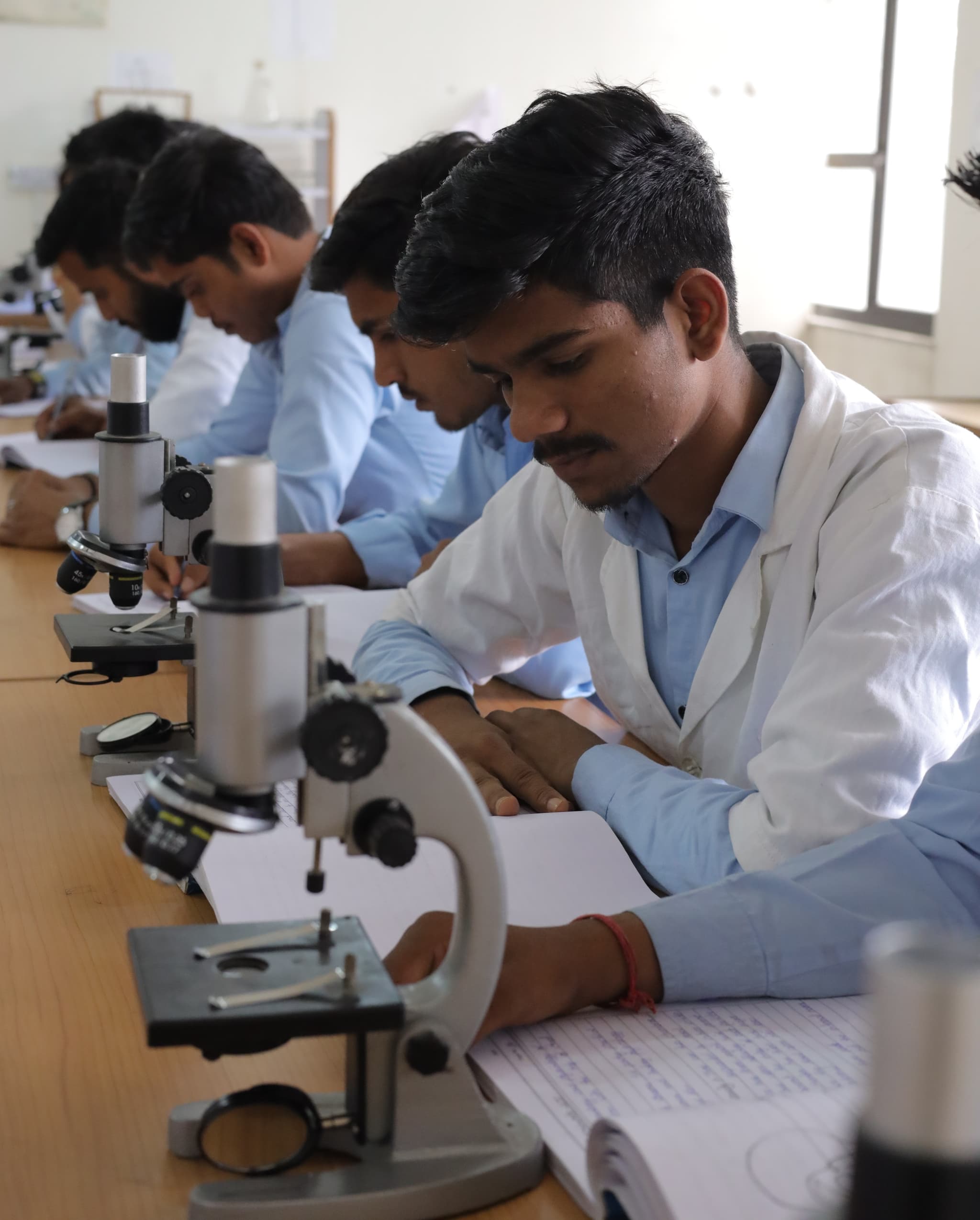
Histology slide viewing
Physiology recording setup
Overview

The Body as a Drug's Environment

A pharmacist who does not understand the human body cannot truly understand drugs. The Human Anatomy & Physiology Laboratory at Ishan provides students with a vivid, three-dimensional understanding of how the body is structured and how it functions — the essential substrate upon which pharmacology, pathology, and clinical pharmacy are built.

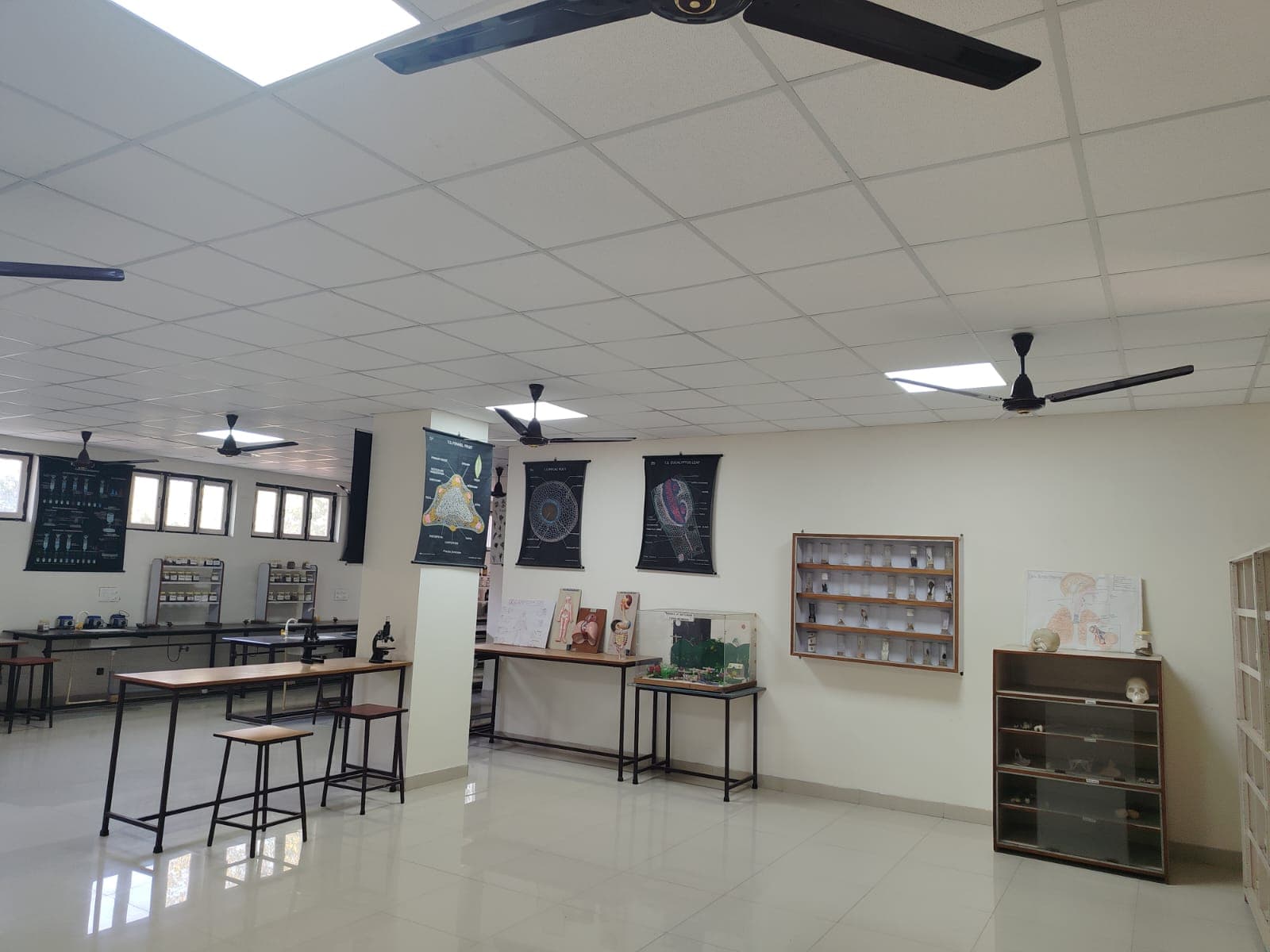
The laboratory is equipped with high-fidelity anatomical models, a complete human skeleton, organ systems charts, preserved specimens, and a rich collection of histological slides. Students progress from basic cell biology through to organ-level physiology, using both observational study and physiological measurement experiments.

Core Practicals

Practical sessions cover all major organ systems: cardiovascular, respiratory, renal, nervous, endocrine, digestive, and musculoskeletal. Students study histological sections of tissues including epithelium, connective tissue, muscle, and nerve under compound microscopes. Physiological parameters — blood pressure, heart rate, respiratory rate, vital capacity — are measured using calibrated instruments.

Haematological experiments include blood grouping (ABO & Rh typing), haemoglobin estimation using Sahli's method, total and differential leucocyte counts, and erythrocyte sedimentation rate (ESR) determination — all performed under supervised conditions using proper biosafety protocols.

Key Models, Equipment & Resources
  • Full Human Skeleton (articulated)
  • Anatomical Models: Heart, Lung, Brain, Kidney, Eye, Ear
  • Torso Model (dissectible, 20-part)
  • Compound Binocular Microscopes (set of 20)
  • Permanent Histological Slide Collection (200+ slides)
  • Sahli's Haemoglobinometer
  • Haemocytometer (Neubauer chamber)
  • Sphygmomanometer & Stethoscope sets
  • Spirometer (portable digital)
  • Wall Charts: All major body systems (laminated)
Learning Outcomes

Identify gross & microscopic anatomy of all organ systems

Record and interpret physiological parameters accurately

Perform and interpret basic haematological tests

Correlate structure and function for pharmacological rationale

Apply anatomical knowledge to drug administration routes

Laboratory 06

Pharmacology Laboratory

Decoding how drugs act — the science of mechanisms, effects, and interactions.

Gallery

Isolated tissue bath setup
Dose-response curve recording
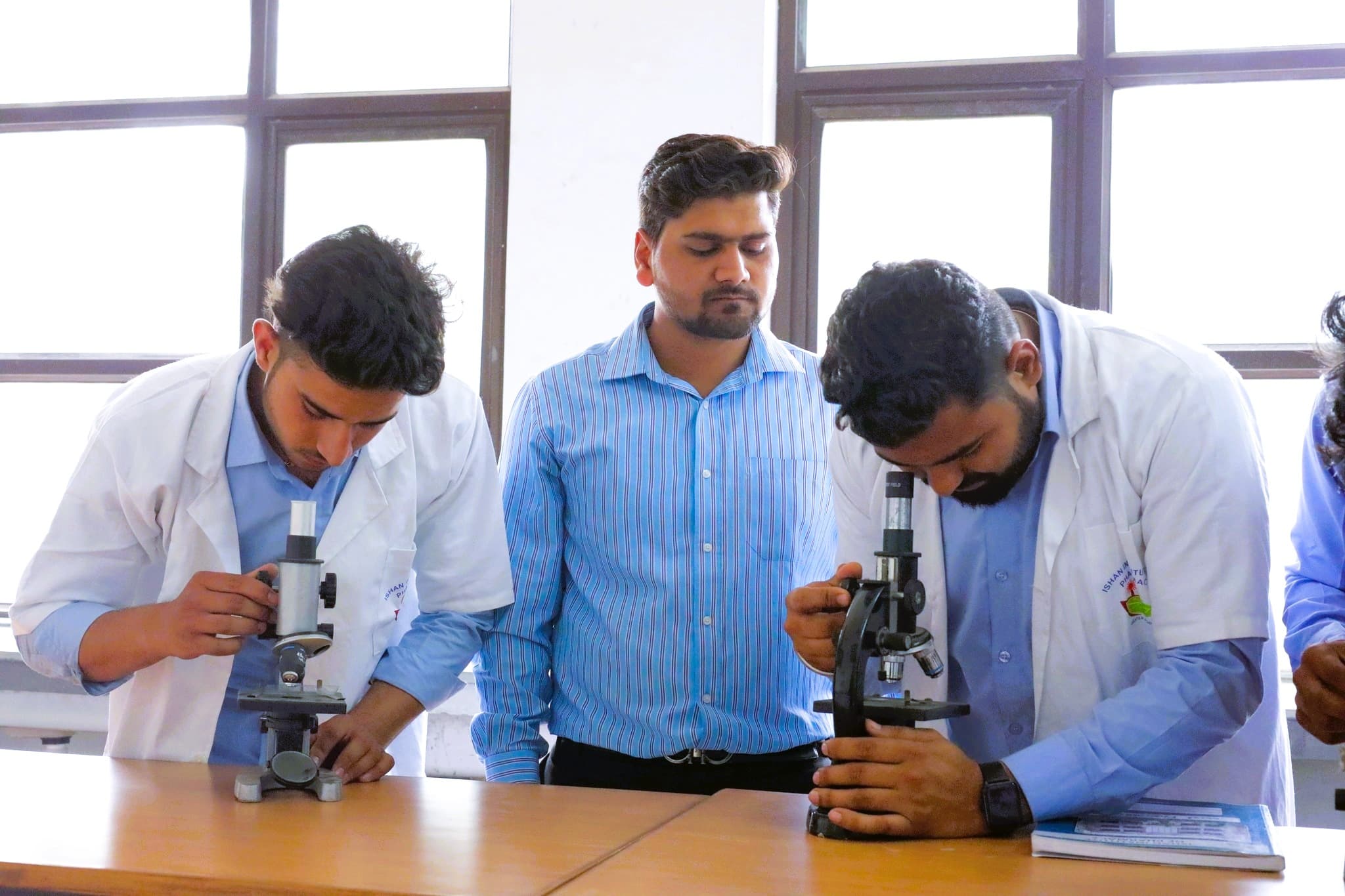
Microscopy and tissue analysis
Experimental pharmacology activity
Overview

Understanding Drugs in Action

The Pharmacology Laboratory is where students move beyond passive learning to actively investigate how drugs exert their effects on living systems. This laboratory is central to the B Pharm programme, enabling students to understand the principles of pharmacodynamics, pharmacokinetics, receptor theory, and drug toxicity through carefully designed experimental models.

In keeping with the 3Rs principle (Replacement, Reduction, and Refinement), Ishan's pharmacology lab emphasises computer-assisted learning, in-vitro experimental models, and demonstration-based approaches wherever possible, complemented by approved in-vivo experiments conducted under strict ethical and regulatory guidelines.

Experimental Areas

Students investigate the effects of drugs on isolated tissue preparations including frog rectus abdominis, guinea pig ileum, and rat uterus using Magnus apparatus. Dose-response curves for agonists and antagonists are generated and interpreted to understand drug receptor interactions quantitatively.

In-vivo models for analgesic testing (hot plate, tail flick, writhing tests), anti-inflammatory activity (carrageenan paw oedema), and CNS depressant/stimulant effects are performed using small animal models in accordance with CPCSEA guidelines. Bioassay methods — including biological standardisation of insulin and oxytocin — are demonstrated.

Key Instruments & Equipment
  • Magnus Apparatus (isolated organ bath, digital)
  • Student Physiograph / Polygraph
  • Analgesiometer (Eddy's Hot Plate & Tail Flick)
  • Plethysmometer (Paw Oedema)
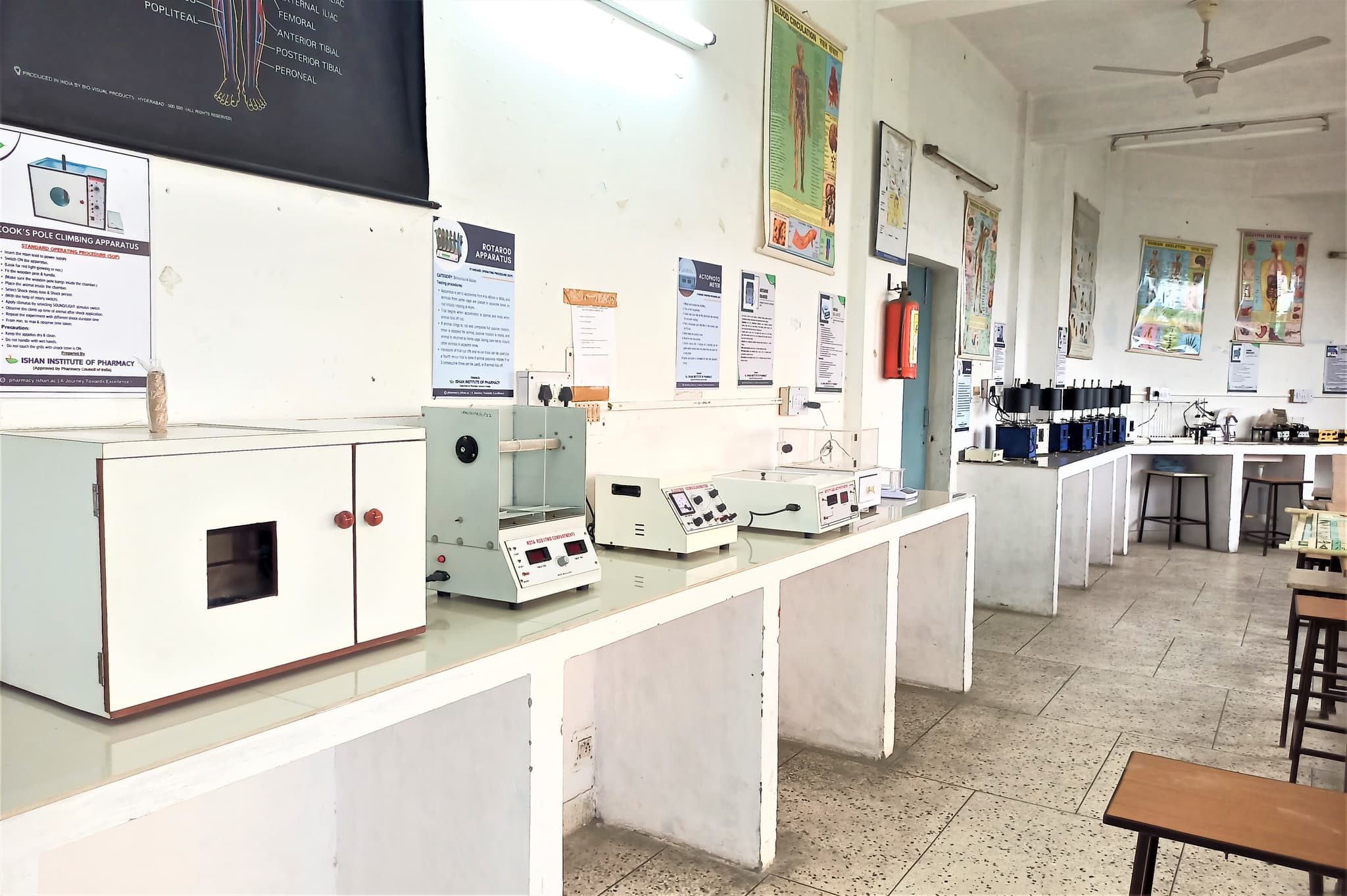
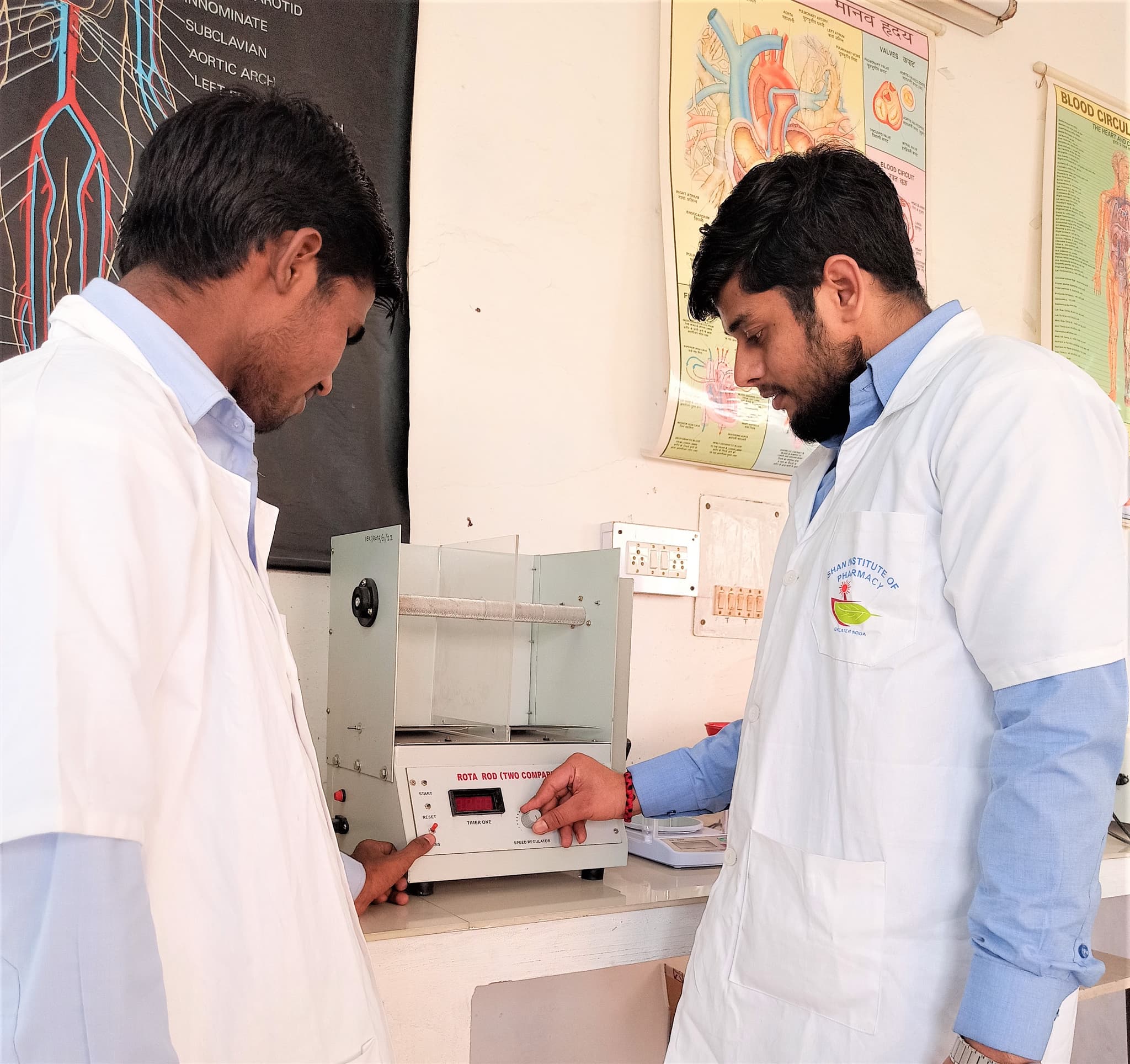
  • Rotarod Apparatus (motor co-ordination)
  • Actophotometer (locomotor activity)
  • Surgical Instruments Set
  • Animal Weighing Balance
  • Computer-Assisted Pharmacology Software
  • Refrigerated Centrifuge
Learning Outcomes

Construct and interpret dose-response relationships

Distinguish agonist, partial agonist, and antagonist profiles

Perform standard in-vitro and in-vivo pharmacological screens

Apply pharmacokinetic calculations (t½, Vd, Cl, F)

Understand ethical guidelines for animal experimentation

Facility 07

Herbal Garden

A living classroom — 100+ species of medicinal plants thriving on campus.

Gallery

Aerial / panoramic garden view
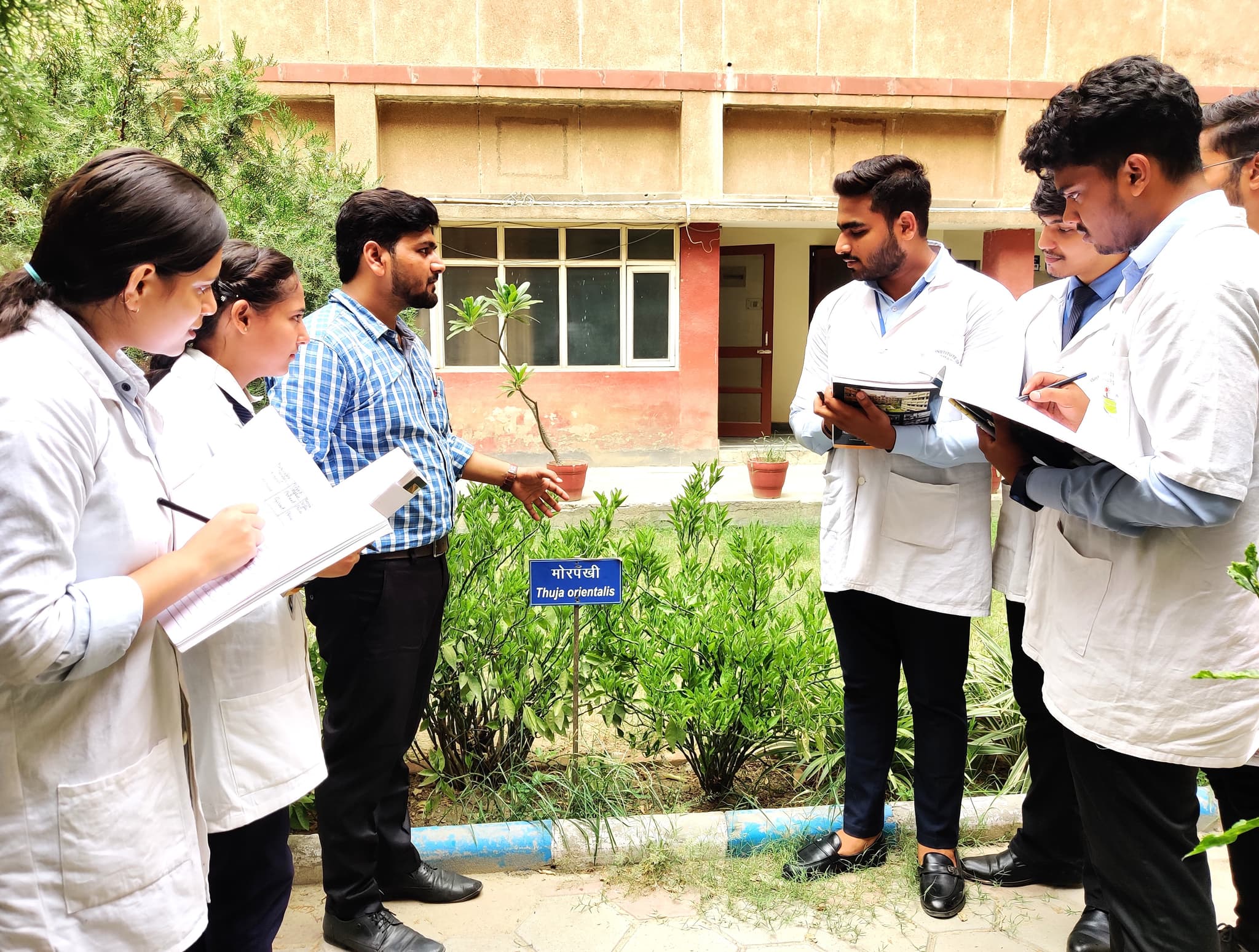
Labelled medicinal plant beds
Flowering medicinal herbs
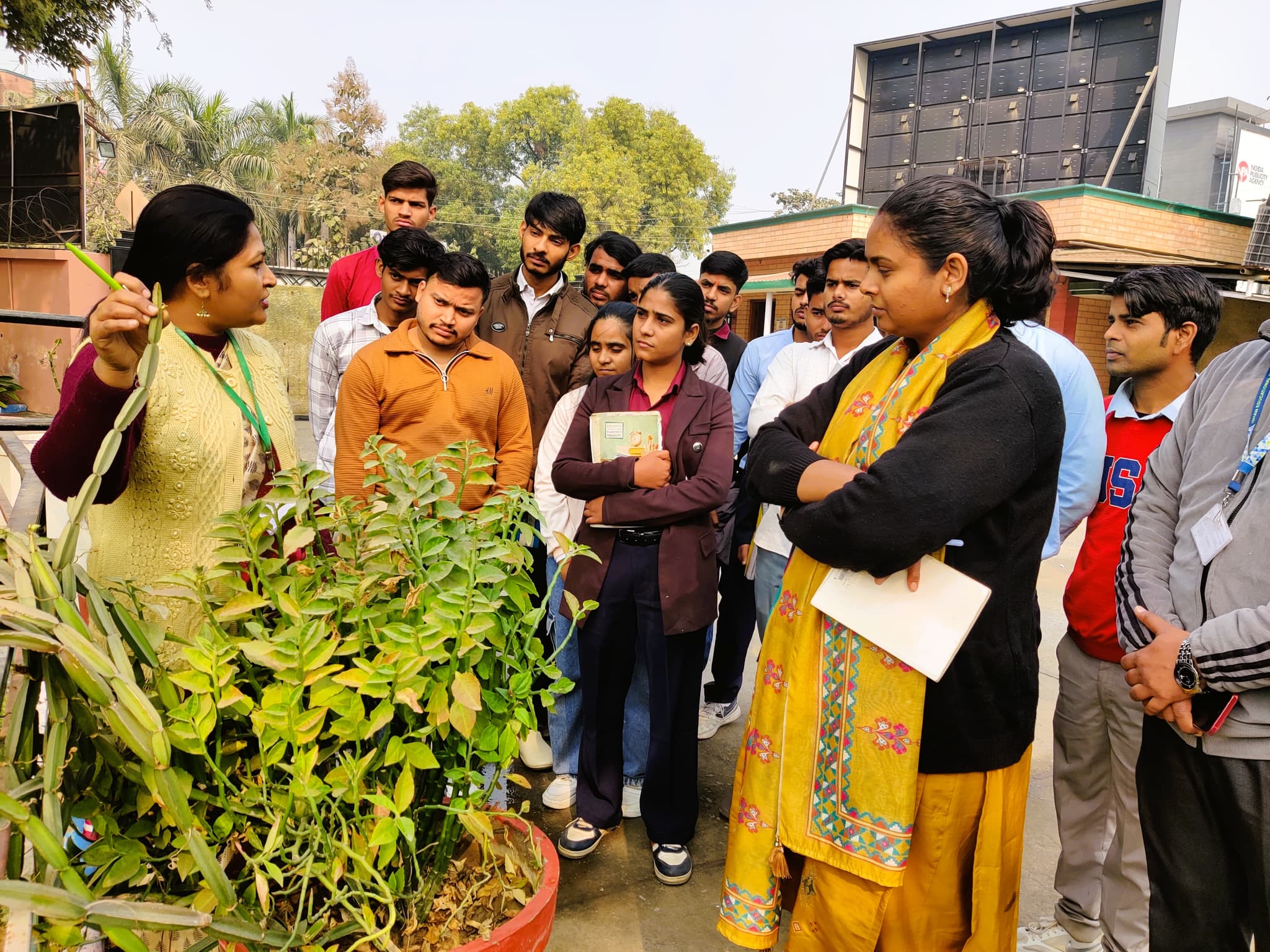
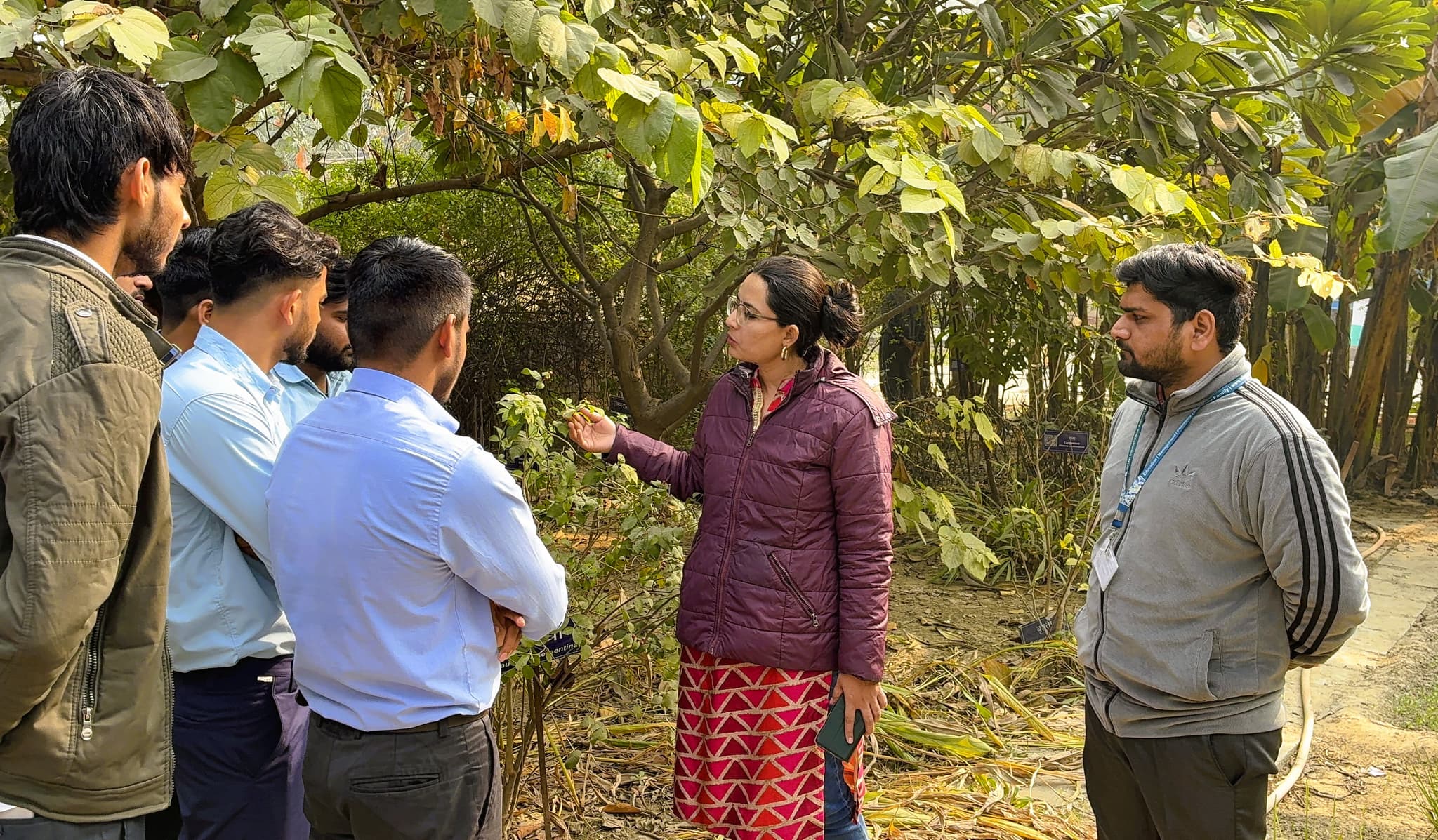
Students with faculty in garden
Overview

India's Ancient Plant Wisdom, Alive on Campus

The Ishan Institute of Pharmacy Herbal Garden is a living repository of India's botanical heritage, thoughtfully cultivated within the campus to serve as an open-air classroom for pharmacognosy, phytochemistry, and traditional medicine education. Spanning a carefully planned area with scientifically designed cultivation beds, raised planters, and a drip irrigation system, the garden hosts over 100 species of authenticated medicinal, aromatic, and economically important plants.

Each plant is labelled with its common name, botanical name, family, plant part used, and therapeutic significance — enabling students to make the immediate connection between the living plant and the crude drug specimens they study in the laboratory. The garden is maintained year-round under the guidance of pharmacognosy faculty and horticultural staff.

Plant Categories

The garden is organised into thematic sections: Ayurvedic Rasayana herbs (Ashwagandha, Shatavari, Brahmi), aromatic and essential oil plants (Lemongrass, Vetiver, Rose), anti-diabetic plants (Karela, Gurmar, Jamun), hepatoprotective plants (Bhumi amla, Kalmegh), and antimicrobial plants (Tulsi, Neem, Giloy).

A dedicated section showcases plants of national importance under Schedule E(1) and the Drugs and Cosmetics Act, helping students understand regulatory classifications of plant-based medicines. Seasonal rotation of annuals ensures year-round botanical diversity.

Notable Species in the Garden
  • Withania somnifera (Ashwagandha)
  • Ocimum sanctum (Holy Basil / Tulsi)
  • Azadirachta indica (Neem)
  • Tinospora cordifolia (Giloy / Guduchi)
  • Curcuma longa (Turmeric / Haldi)
  • Centella asiatica (Brahmi / Mandookparni)
  • Aloe barbadensis (Aloe Vera)
  • Zingiber officinale (Ginger / Adrak)
  • Mentha piperita (Peppermint)
  • Catharanthus roseus (Sadabahar / Vinca)
Educational Value

Identify 100+ medicinal plant species by morphology

Link living plants to pharmacognostic crude drugs

Understand cultivation and harvesting practices for herbs

Appreciate biodiversity and conservation of medicinal flora

Study seasonal variation in secondary metabolite content

Facility 08

Machine Room

Industrial-scale thinking in a learning environment — where pharma engineering meets education.

Gallery

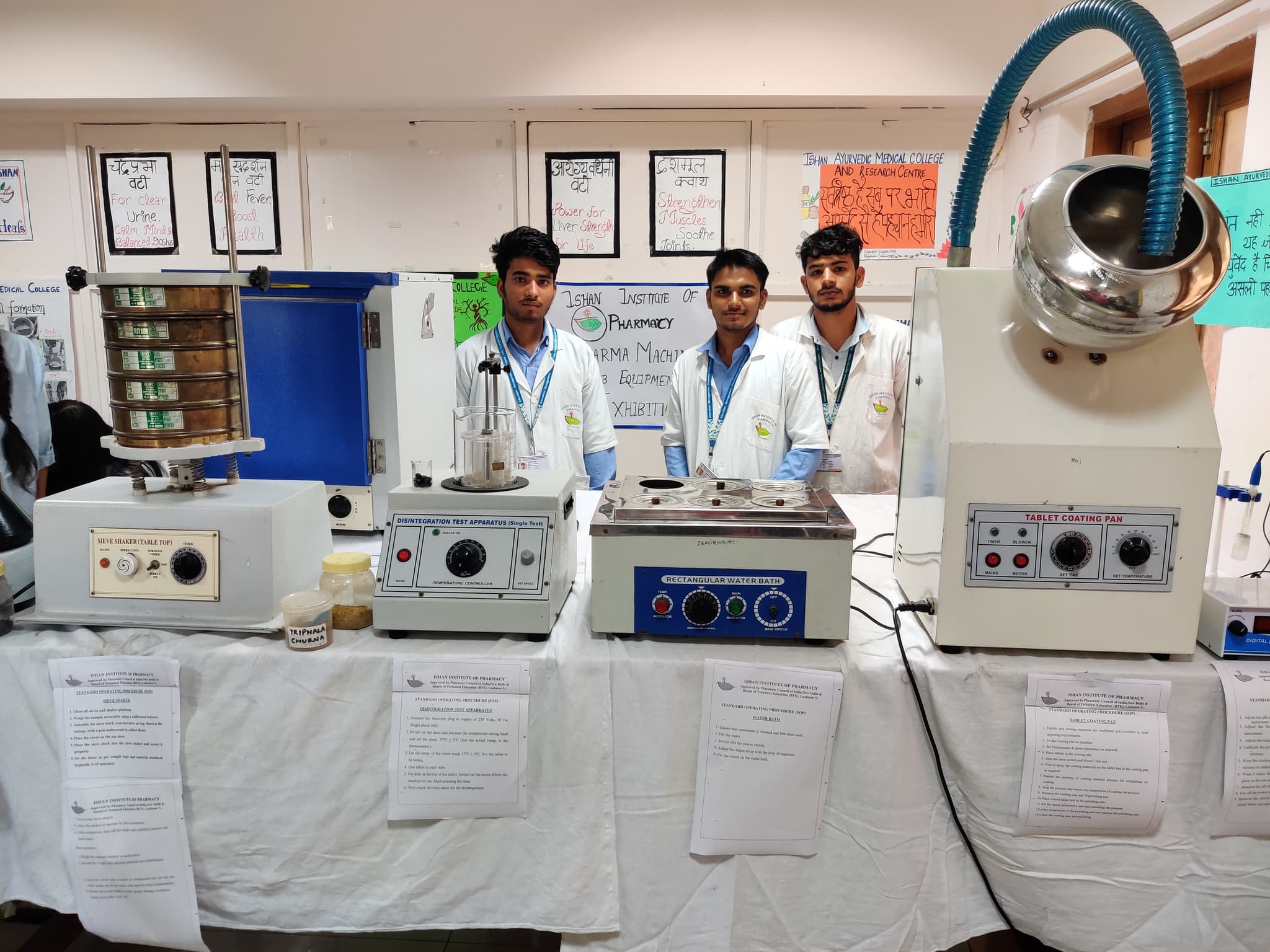
Rotary tablet press machine
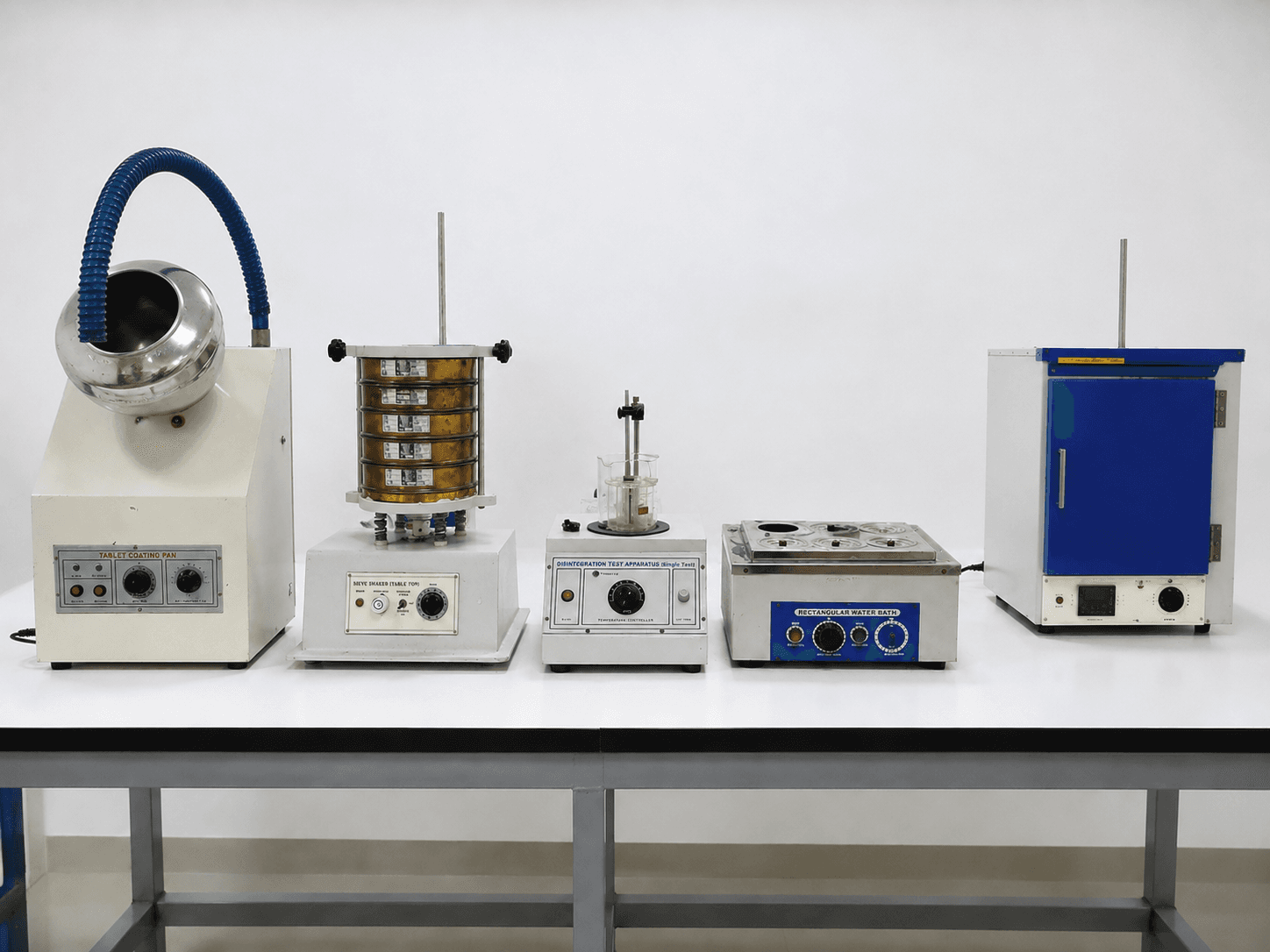
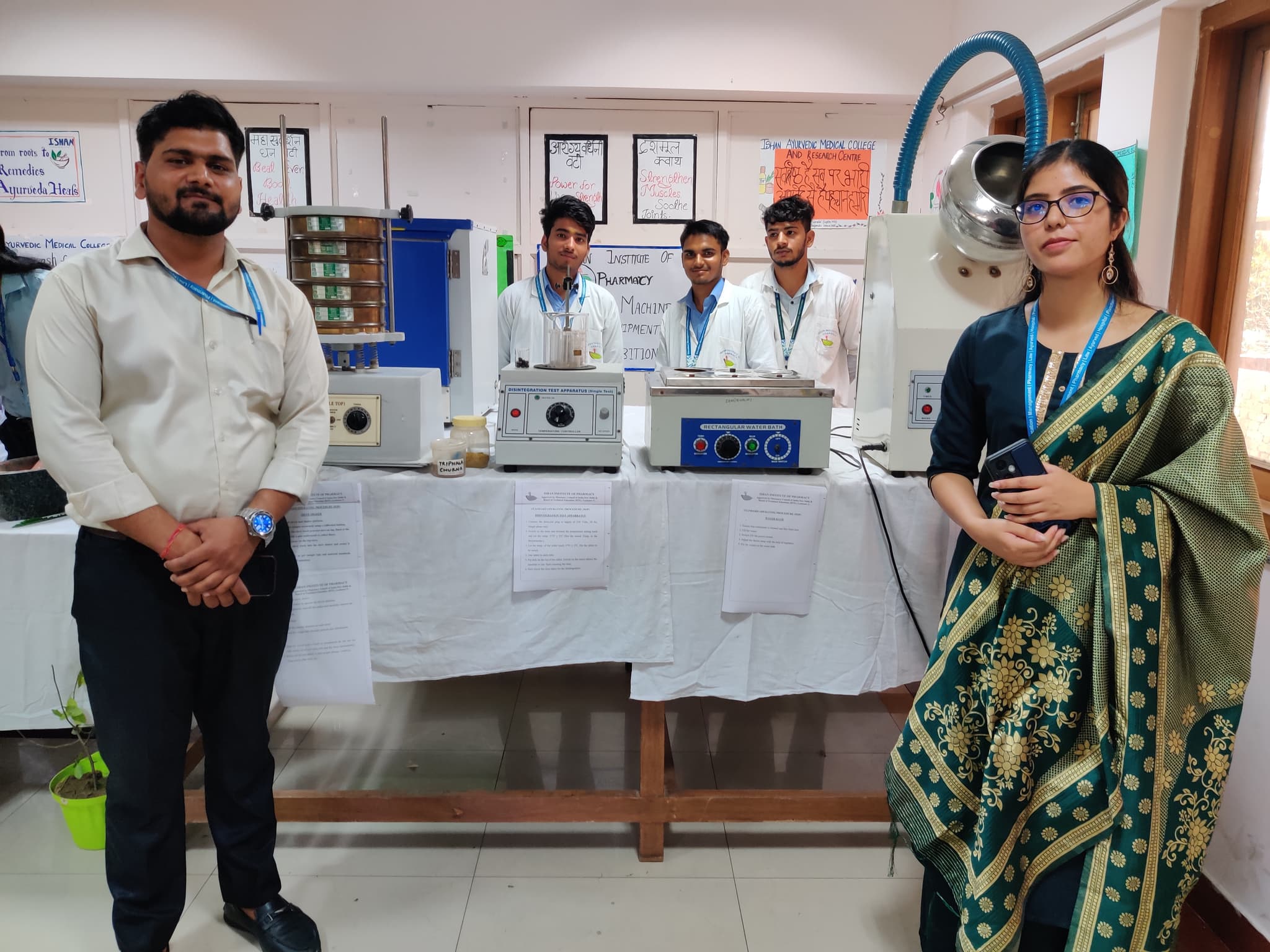
Overview of machine room floor
Fluid bed dryer / granulator
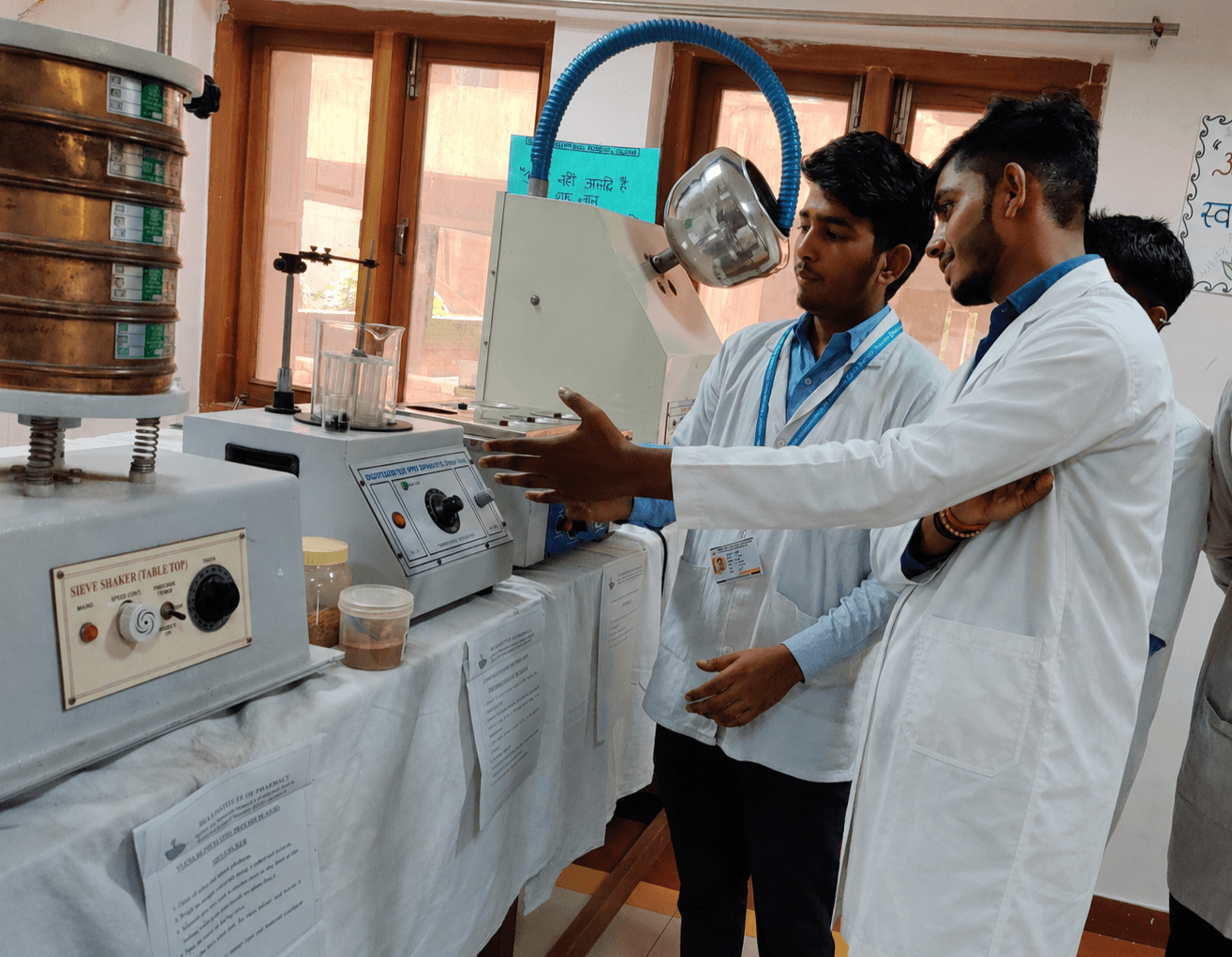
Students operating equipment
Overview

Pharmaceutical Engineering at Your Fingertips

The Machine Room at Ishan Institute of Pharmacy is a unique industrial simulation facility that exposes students to the large-scale equipment used in pharmaceutical manufacturing. It is a rare and highly valuable resource in a pharmacy college, allowing students to observe, handle, and operate equipment that forms the backbone of dosage form production in the industry.

This facility directly supports the study of industrial pharmacy and pharmaceutical engineering — subjects that demystify how the formulations prepared on a laboratory bench are ultimately manufactured in tonnes at commercial scale. Understanding machinery — its operational principles, cleaning validation, SOPs, and maintenance — is essential for any pharmacist entering production or quality assurance.

Equipment & Operations

The machine room houses processing equipment spanning size reduction, mixing, granulation, drying, and compression operations. Students learn the working principles, operational parameters, and scale-up considerations for each piece of equipment, along with standard operating procedures (SOPs) and GMP documentation requirements.

Demonstrations include batch granulation using rapid mixer granulators, fluid bed drying, tablet compression with multi-punch rotary presses, coating operations using sugar and film coating pans, and capsule filling with semi-automatic equipment. Each session is supported by a pre-practical briefing and post-practical viva assessment.

Major Machinery
  • Rotary Tablet Compression Machine (multi-punch)
  • Rapid Mixer Granulator (RMG)
  • Fluid Bed Dryer (FBD)
  • Ball Mill & Hammer Mill
  • Sifter / Vibrating Sieve Shaker
  • Coating Pan (conventional & perforated)
  • Semi-automatic Capsule Filling Machine
  • Ampoule Washing & Filling Line (demonstration)
  • Blender (double-cone / V-type)
  • Suppository Moulding Machine
Learning Outcomes

Operate major pharmaceutical manufacturing equipment safely

Write and follow equipment-specific SOPs

Understand scale-up principles from lab to pilot to production

Apply GMP concepts to equipment qualification and cleaning

Troubleshoot common manufacturing problems

Facility 09

Pharmaceutical Museum

The history of healing — a curated journey through pharmacy's past, present, and future.

Gallery

Museum display room overview
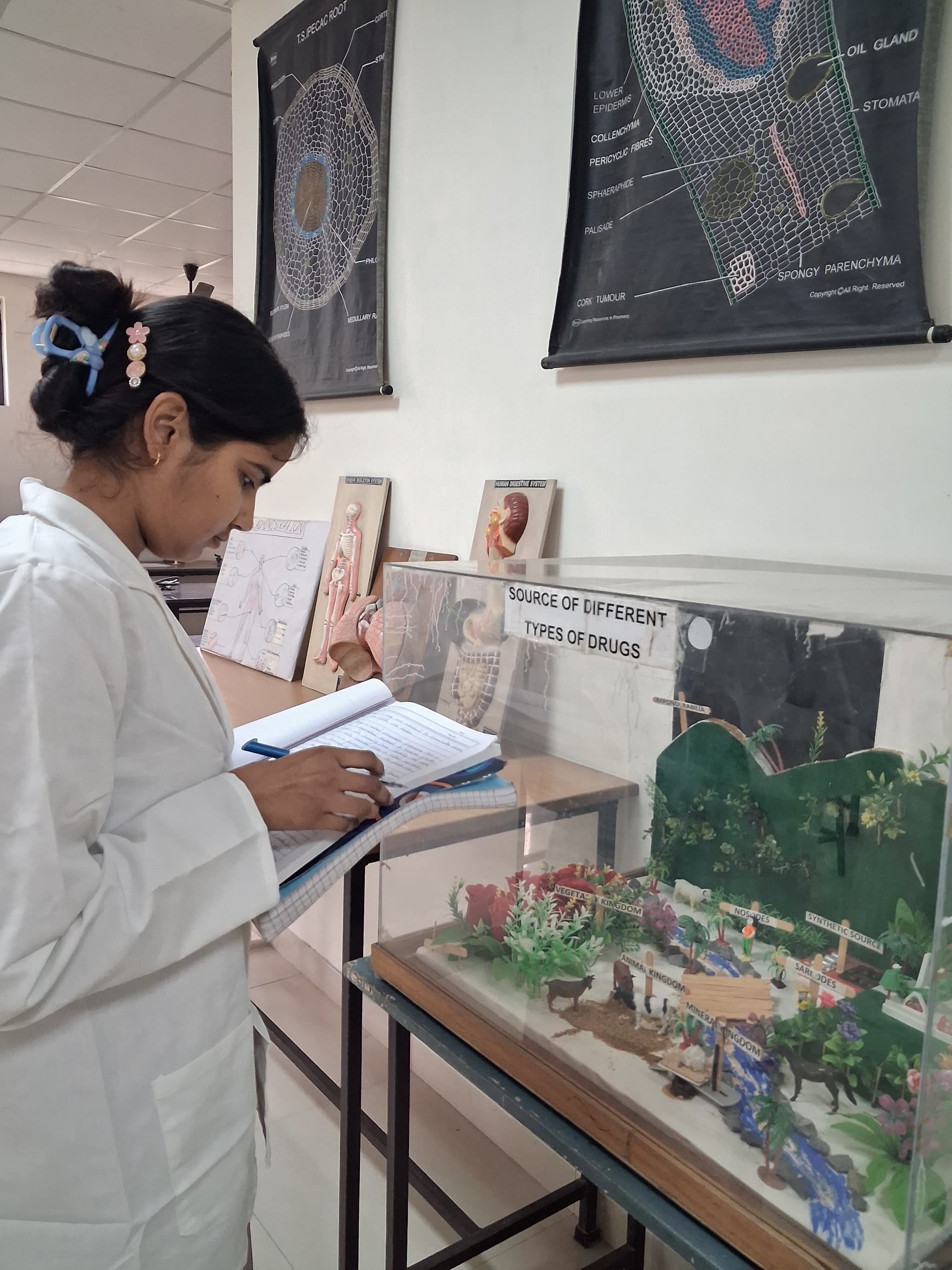
Crude drug specimen collection
Historical pharmacy instruments
Pharmacopoeia displays & charts
Overview

Where Pharmacy's Legacy is Preserved

The Pharmaceutical Museum at Ishan Institute of Pharmacy is a distinctive educational resource that no textbook can replicate. It serves as a sensory, immersive learning space where students encounter the tangible reality of pharmacy — authenticated specimens of crude drugs, historical pharmaceutical instruments, dosage form evolution exhibits, and archival pharmacopoeias — all within reach.

Curated over years by the pharmacognosy and pharmacy practice departments, the museum contains hundreds of items systematically displayed and labelled to contextualise their scientific, historical, and cultural significance. Field trips from partner schools and colleges regularly visit the museum, which also functions as a showcase of the institution's academic richness.

Collection Highlights

The museum's crude drug collection includes over 300 authenticated specimens of plant drugs, animal-origin drugs, and mineral drugs — each preserved, labelled, and cross-referenced to their pharmacopoeial monographs. Organised by plant family and therapeutic category, the collection is indispensable for pharmacognosy practical preparation and examination revision.

The historical pharmacy section displays traditional dispensing equipment — mortars and pestles from various eras, pill-making machines, percolators, and alembics — narrating the transformation of pharmacy from an art to a science. A dedicated panel traces the evolution of dosage forms from simple decoctions to nanotechnology-based drug delivery.

Museum Sections
  • Crude Drug Gallery (Plant, Animal, Mineral)
  • Herbarium & Dried Plant Specimens
  • Historical Dispensing Instruments
  • Dosage Form Evolution Display
  • Pharmacopoeia Archives (IP, BP, USP editions)
  • Anatomical Models & Pathology Specimens
  • Charts: Drug Classification Systems
  • Poison Antidote Reference Charts
  • Drug Regulatory Milestone Timeline
  • Alumni & Achievement Gallery
Educational Value

Contextualise classroom learning with authentic specimens

Develop scientific appreciation for pharmacy's historical roots

Revise pharmacognosy taxonomy through hands-on specimens

Understand the evolution of pharmacopoeial standards

Inspire curiosity in natural product and heritage medicine

Laboratory 10

Computer Laboratory

Digital fluency for the modern pharmacist — from biostatistics to drug databases.

Gallery

Computer lab overview
Students using pharmacy software
Internet & e-library access
Smart projector / presentation setup
Overview

Technology-Enabled Pharmaceutical Education

The Computer Laboratory at Ishan Institute of Pharmacy is a state-of-the-art facility with high-performance workstations, high-speed internet connectivity, and a suite of pharmaceutical and scientific software applications. In an era where digital competency is as essential as scientific knowledge, this lab ensures that Ishan graduates are technologically proficient and industry-ready.

All computers are linked to the campus Local Area Network (LAN) and have unrestricted access to educational platforms, e-journals, and databases including PubMed, ScienceDirect, and the Indian Pharmacopoeia electronic edition. The lab functions both as a practical session space and as an open-access study facility for student self-directed learning.

Software & Applications

Students use specialised pharmacy and science applications throughout their course. Biostatistics software (SPSS, GraphPad Prism) is used for data analysis in research projects. Molecular modelling tools introduce students to drug design principles and receptor docking simulations. Virtual pharmacology lab software enables students to conduct simulated experiments beyond scheduled hours.

The computer lab is also the hub for Office 365 access, providing each student with Microsoft Word, Excel, PowerPoint, and Teams for academic submissions, group projects, and faculty communication. Pharmacy management simulation software is used for retail and hospital pharmacy practice sessions.

Infrastructure & Software
  • 40+ High-Performance Workstations (latest config)
  • High-Speed Optical Fibre Internet (100 Mbps)
  • SPSS / GraphPad Prism (Biostatistics)
  • Virtual Lab Pharmacology Simulation
  • Drug Information Databases (PubMed, IndMED)
  • Pharmacy Management Software (eMedical)
  • Microsoft Office 365 (all students)
  • Projector & Interactive Smart Display
  • Antivirus & Firewall with content filtering
  • Printer / Scanner Station
Learning Outcomes

Apply biostatistics to analyse pharmaceutical research data

Use drug information databases for evidence-based practice

Operate pharmacy management and billing software

Create scientific reports, presentations, and submissions

Access and critically evaluate pharmaceutical e-literature

Laboratory 11

Microbiology Laboratory

The invisible world revealed — understanding microbes that medicines must counter.

Gallery

Microbial culture plates & media
Students at microscope stations
Laminar air flow / aseptic work
Antibiotic sensitivity testing
Overview

Mastering the Science of Microbes & Sterility

The Microbiology Laboratory is a controlled, biosafety-compliant facility that introduces pharmacy students to the microbial world — its taxonomy, physiology, pathogenicity, and the methods used to identify, culture, and control microorganisms. This knowledge is indispensable for understanding antibiotic pharmacology, sterility testing, preservative efficacy, and the microbial quality standards of pharmaceutical products.

The lab is maintained under aseptic conditions, with a dedicated laminar air flow cabinet, incubators, autoclaves, and a full media preparation area. Students work with non-pathogenic representative organisms under supervised conditions, learning the fundamental techniques of microbiology that are directly applied in pharmaceutical manufacturing, quality control, and clinical diagnostics.

Core Practicals

Students prepare and sterilise culture media (nutrient agar, blood agar, MacConkey agar, Sabouraud's dextrose agar), isolate organisms using streak plate and pour plate techniques, and perform Gram staining, acid-fast staining, and spore staining for morphological identification. Motility studies and biochemical identification tests (IMViC, catalase, coagulase) are also covered.

Antibiotic susceptibility testing using Kirby-Bauer disc diffusion and minimum inhibitory concentration (MIC) determination give students practical insight into antimicrobial pharmacology. Sterility testing of pharmaceutical preparations per IP specifications and preservative efficacy testing (PET) are conducted, directly linking microbiology to pharmaceutical quality control.

Key Equipment & Infrastructure
  • Laminar Air Flow (LAF) Cabinet (Class II)
  • Autoclave (vertical, 25L)
  • Hot Air Oven (sterilisation)
  • BOD / CO₂ Incubator
  • Colony Counter (digital)
  • Compound Microscopes with oil immersion
  • Inoculation Loop Incinerator
  • pH Meter & Media pH Strips
  • Membrane Filtration Assembly
  • Vortex Mixer & Centrifuge
Learning Outcomes

Culture, isolate, and identify common microorganisms

Perform Gram staining and differential staining techniques

Conduct antibiotic sensitivity testing and MIC determination

Perform sterility testing per Indian Pharmacopoeia norms

Apply biosafety Level 1 & 2 protocols in lab operations

Laboratory 12

Biochemistry Laboratory

Life at the molecular level — understanding the chemistry that drugs must navigate.

Gallery

DNA / protein electrophoresis
Spectrophotometric enzyme assay
Blood biochemistry analysis
Students recording results
Overview

The Molecular Language of Life and Disease

The Biochemistry Laboratory provides pharmacy students with an understanding of the chemical processes that sustain life — and the molecular targets that drugs are designed to modulate. From enzyme kinetics and metabolic pathways to protein structure and nucleic acid chemistry, biochemistry underpins modern molecular pharmacology, biopharmaceuticals, and personalised medicine.

The laboratory is equipped for both classical wet biochemistry experiments and contemporary techniques including gel electrophoresis, spectrophotometric enzyme assays, and clinical biochemistry estimations. Students develop precise pipetting skills, dilution protocols, and analytical thinking — competencies that are universally valued in pharmaceutical R&D and clinical laboratory settings.

Core Practicals

Students perform qualitative and quantitative analysis of carbohydrates, proteins, lipids, and nucleic acids using classical reagent-based tests (Benedict's, Biuret, Sudan III, Diphenylamine) and modern spectrophotometric methods. Enzyme kinetics experiments — including Michaelis-Menten analysis of amylase and alkaline phosphatase — are conducted using UV-Vis spectrophotometry.

Clinical biochemistry practicals include estimation of blood glucose, serum cholesterol, urea, creatinine, bilirubin, and liver enzymes (SGOT, SGPT) — providing direct relevance to therapeutic drug monitoring, disease biomarkers, and clinical interpretation of lab reports that practising pharmacists must understand.

Key Instruments & Equipment
  • UV-Vis Spectrophotometer (double beam)
  • Gel Electrophoresis Unit (agarose & PAGE)
  • Semi-Automated Clinical Analyser
  • Refrigerated Centrifuge
  • Micropipettes (full range, calibrated)
  • Water Bath (precision, ±0.5°C)
  • Colorimeter (digital)
  • Glucometer & Lancets (teaching kits)
  • Lyophiliser (for enzyme preparation)
  • Cold Storage (–20°C freezer for standards)
Learning Outcomes

Perform qualitative analysis of biomolecules

Apply spectrophotometric techniques to enzyme kinetics

Estimate clinical biochemistry parameters from serum

Interpret enzyme kinetics data (Km, Vmax)

Understand metabolic pathways relevant to drug action

Industry Relevance

Biochemistry literacy is increasingly essential in the era of biologics, biosimilars, and precision medicine. Graduates with strong biochemistry foundations find opportunities in biopharmaceutical R&D, clinical laboratory diagnostics, regulatory affairs for biologic drugs, and academic research at institutes like CSIR, DBT, and ICMR-affiliated centres.